
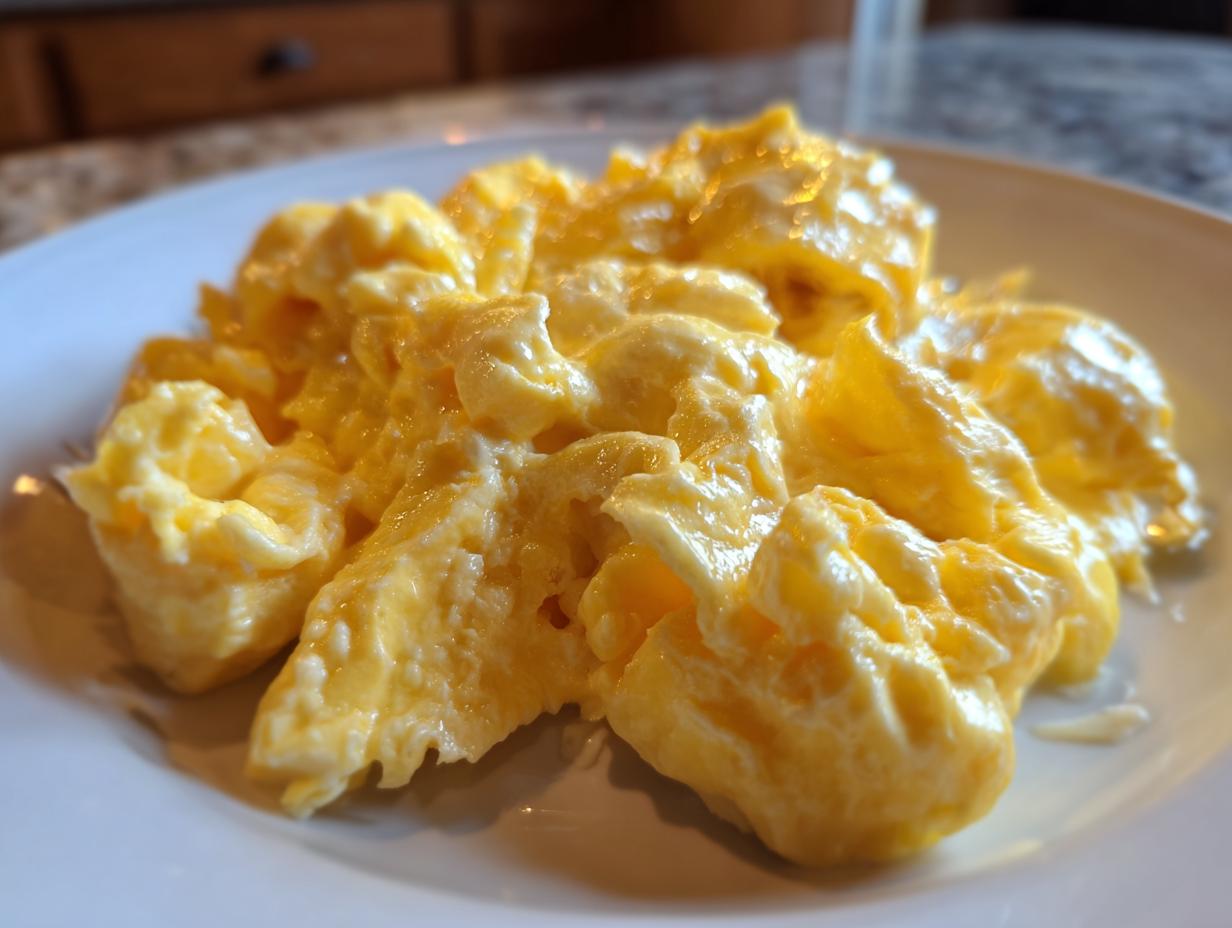
Oh, I know the pain. You stand over the stove, dreaming of those pillowy, cloud-like scrambled eggs you see in fancy brunch photos, but what you end up with is a sad, dry pile of yellow flakes. It’s infuriating! I used to think that’s just how it was—burnt edges and sad flavor. But when I started stepping away from the rush of city life and really focusing on the basics, just like my grandma taught me with her simple, honest cooking philosophy, everything changed. I figured out the exact, foolproof method for achieving the ultimate creamy and fluffy scrambled eggs right on your stovetop. Trust me, this technique transforms everything.
- Why This is the Best Scrambled Eggs Recipe You Will Ever Make
- Ingredients for Ultimate Creamy and Fluffy Scrambled Eggs
- How to Prepare Perfect Stovetop Scrambled Eggs
- Tips for Success: Mastering Soft Scrambled Eggs
- Elevated Scrambled Eggs: Variations and Add-Ins
- Storage and Reheating Instructions for Creamy Scrambled Eggs
- Frequently Asked Questions About Perfect Scrambled Eggs
- Estimated Nutritional Data for These Scrambled Eggs
- Share Your Perfect Breakfast Eggs Experience
Why This is the Best Scrambled Eggs Recipe You Will Ever Make
I’m telling you, what separates the okay eggs from the *wow* eggs is really just patience and knowing what the eggs need. This isn’t just another recipe floating around; this is truly the best scrambled eggs recipe because it locks in moisture and air using two simple concepts. We avoid the quick, aggressive heating that steals moisture. Instead, we use low heat and just a touch of dairy to create that rich, melt-in-your-mouth feeling. My promise to you is that after trying this, you’ll never waste a morning on dry eggs again. If you’re looking for more great morning meals, check out some of my easy breakfast ideas!
Achieving Velvety Eggs Tutorial: The Low Heat Secret
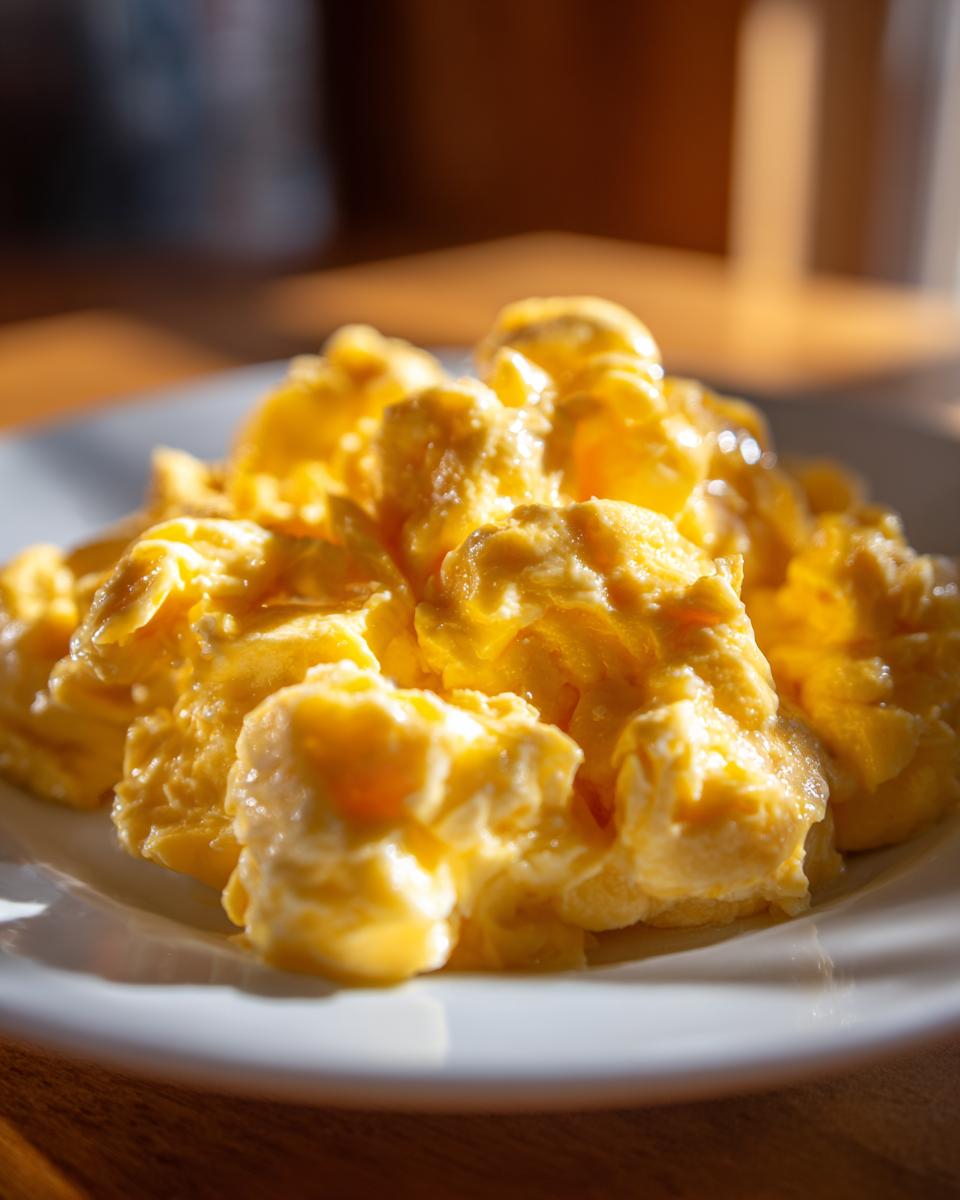
You see recipes that call for high heat to cook things fast, but for eggs, that’s a disaster! High heat toughens the proteins immediately, leading to those chalky, diner-style eggs that stick to the roof of your mouth. To get those incredible how to make creamy eggs results—that custardy texture—you need to cook them lower and slower than you think. By keeping the heat very gentle, the eggs thicken slowly, allowing the butter and milk to emulsify into this gorgeous, velvety base. It takes a minute longer, but it is worth every single second, trust me.
The Fluffy Egg Technique for Cloud-Like Results
Now for the fluff factor! You want air in those eggs, right? The fluffy egg technique isn’t about whisking forever beforehand, which can sometimes kill the structure, but about how you handle them once they hit the pan. We let them set just a bit, and then we gently push and fold them along. This folding motion incorporates tiny pockets of air, lifting the eggs as they cook. You’re not scrambling them aggressively; you are coaxing them into lovely, soft curds. This gentle movement is what guarantees those cloud-like peaks in your final serving!
Ingredients for Ultimate Creamy and Fluffy Scrambled Eggs
The ingredients list is straightforward, which is why getting the quality right matters so much for your final scrambled eggs. You only need a handful of basic things here. We want rich flavor and that perfect mouthfeel, so don’t skimp on the butter!
For this perfect batch serving two, you’ll need:
- 6 large eggs—the bigger the better for volume!
- 2 tablespoons of whole milk or heavy cream—cream gives you that extra velvety texture, but milk works great too.
- 1 tablespoon of good quality unsalted butter. You can taste the difference, honestly.
- A little salt and freshly ground black pepper, added just before cooking.
Remember, better ingredients mean a richer texture. It truly does!
How to Prepare Perfect Stovetop Scrambled Eggs
Okay, we have our perfect ingredients, now let’s put them to work! This is where we execute the low heat eggs method to guarantee you get the most incredible stovetop scrambled eggs you’ve ever made. The whole process moves pretty fast once the eggs hit the butter, so make sure you have your spatula ready to go. If you’re looking for quick meals beyond breakfast, maybe check out my quick weeknight dinners section!
Prepping the Eggs and Pan
Grab your bowl with the eggs and dairy and whisk them gently. You want the yolks and whites totally mixed, slightly frothy maybe, but don’t beat them into oblivion! Over-whisking incorporates too much air too soon, which can actually make them deflate later. Season them right now with your salt and pepper; seasoning before cooking helps the flavors meld beautifully. Next, place your best non-stick skillet over the absolute lowest heat setting you have. Melt your tablespoon of butter until it foams just a little—not brown, just happy and melted—then pour your seasoned eggs right in.
The Gentle Cooking of Your Scrambled Eggs
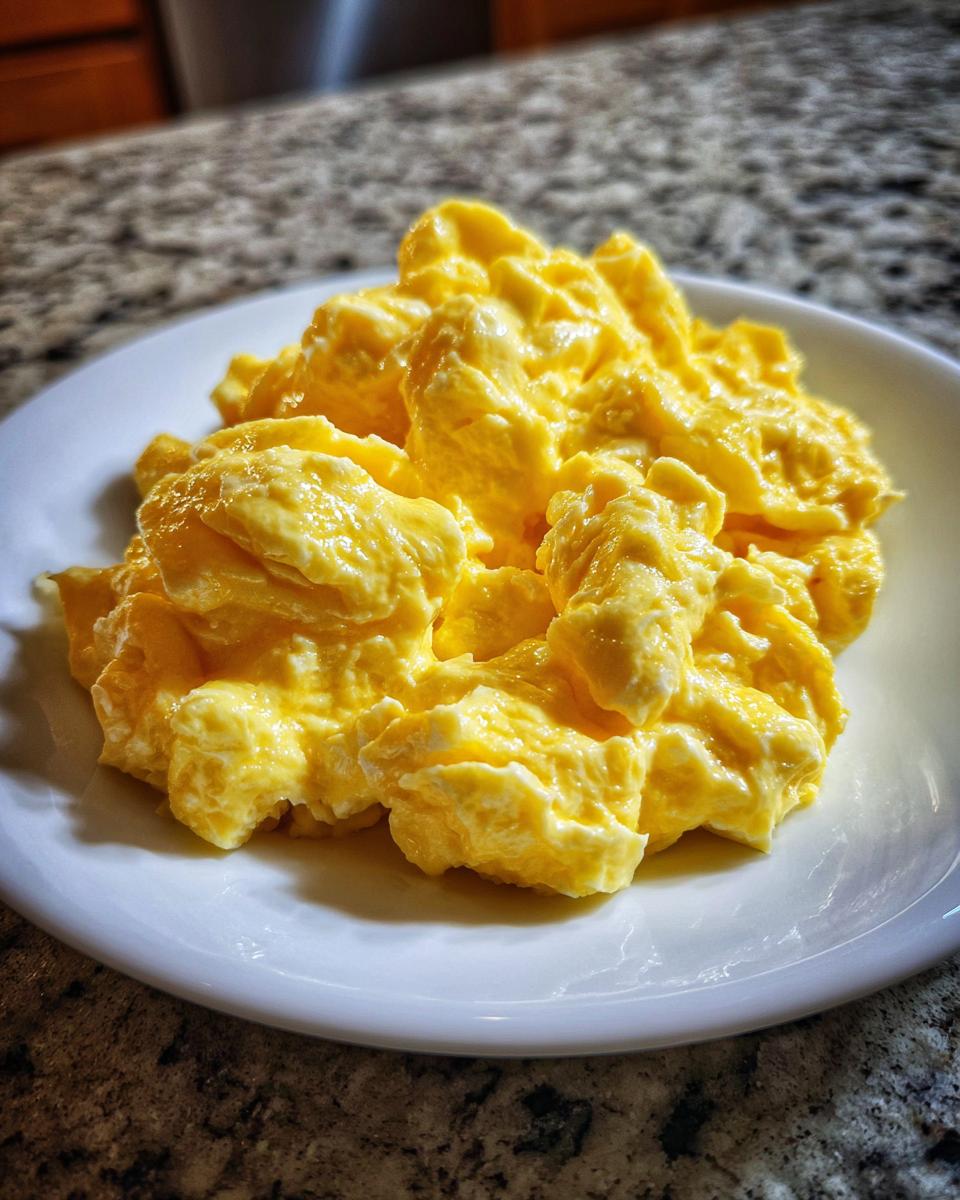
Let those eggs sit for just about thirty seconds until the edges look like they are starting to firm up, maybe a whisper of setting. Now is the time for slow movement. Take your silicone spatula and gently push the cooked edges toward the center, tilting the pan so the runny egg flows underneath. Keep doing this, slow push, gentle fold, all across the pan. Resist the urge to rush! This continuous, mild movement creates those lovely, big curds that lead to soft scrambled eggs because they cook evenly without drying out. The absolute secret to that velvety outcome is taking the pan off the heat when the eggs look wet—I mean glossy and slightly runny. The residual heat does the rest of the work, making them perfectly custardy eggs. If you prefer hearing from other home cooks, check out this great recipe for similar classic scrambled eggs.
Tips for Success: Mastering Soft Scrambled Eggs
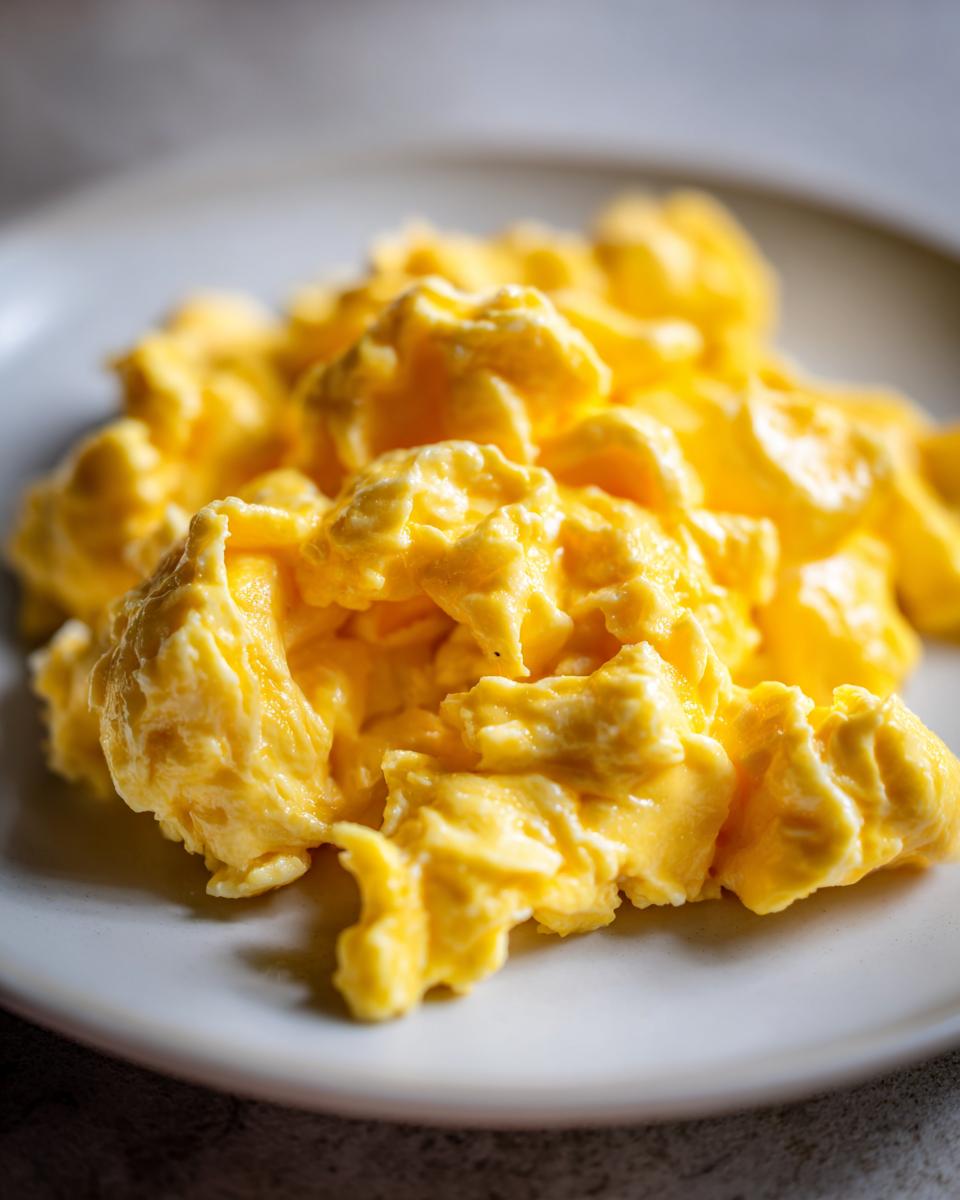
Getting that perfect, velvety texture isn’t just luck; it’s about knowing the little tricks professional chefs (and my seasoned Aunt Carol!) use. The biggest takeaway here is sticking to the low heat eggs principle we discussed earlier. If you keep that dial low, you are already 90% of the way to glorious, custardy eggs. Don’t rush that cooking process, not even a tiny bit! If you’re making these for a small family breakfast, you’re golden, but I’ve got one extra step for richness that I love.
For ultimate richness—and this is purely for indulgence—try adding a tiny teaspoon of cold butter right as you pull the pan off the heat. It melts right into the glossy mass, making them even creamier. For other ideas on quick, flavorful meals, you might enjoy looking through my healthy lunch recipes while you wait for the next batch of eggs to cook!
Scaling Up Scrambled Eggs for a Crowd
When you’re making these for a crowd, the secret is using a pan that is appropriately large and, crucially, heavy-bottomed. You still absolutely must maintain that low heat, even if it means the cooking takes a few extra minutes. A larger surface area helps the eggs cook more evenly. If they look like they are cooking unevenly, just give a gentle stir more often, but don’t whip them around. For more foolproof cooking secrets, check out Carla’s take on creamy fluffy scrambled eggs for comparison!
Elevated Scrambled Eggs: Variations and Add-Ins
Now that you’ve mastered that velvety texture, we can’t just stop there, right? These aren’t just for quick mornings anymore—they are perfect for hosting! The beautiful thing about this base technique is how easily it transforms into spectacular elevated scrambled eggs for any party or weekend brunch. For excellent brunch egg recipes, think about high-quality additions that melt beautifully without interfering with the creamy structure.
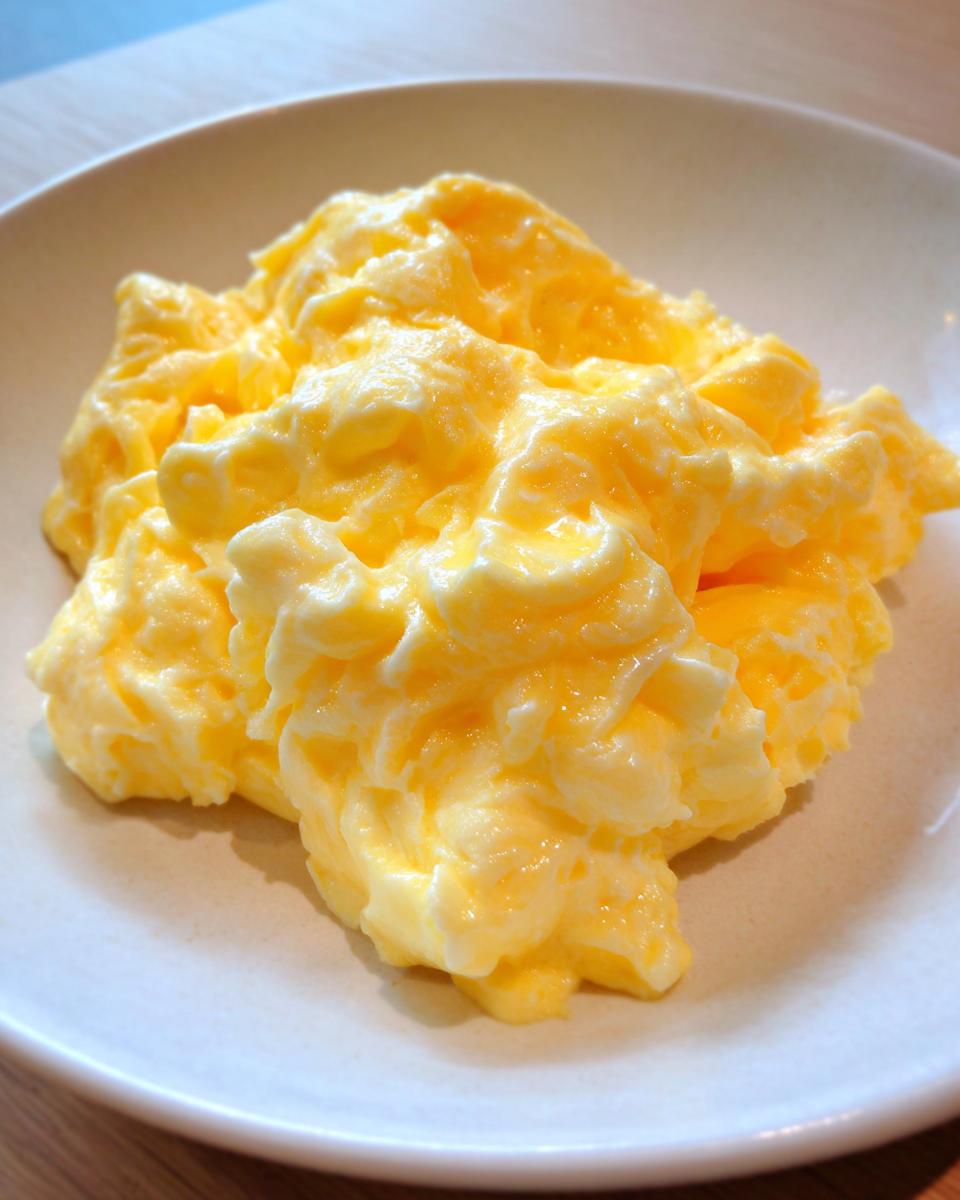
Try folding in a handful of finely chopped fresh chives or tarragon right at the very end, just before they leave the heat. That little burst of fresh green flavor is amazing. If you want luxury, stir in a teaspoon of truffle oil or a sprinkle of aged Parmesan cheese for a nutty depth. It turns a simple dish into something really special. If you love cheese and creamy textures, you absolutely have to see my recipe for creamy garlic tomato pasta—it scratches that same itch!
Storage and Reheating Instructions for Creamy Scrambled Eggs
If you’ve managed to have leftovers of these incredibly creamy scrambled eggs—frankly, I’m impressed! The truth is, soft scrambled eggs don’t reheat like a miracle, but we can certainly try to save that velvety texture. The absolute best way to store any leftovers is in a truly airtight container. Don’t try to leave them in the skillet! Seal them up tight and pop them in the fridge. They’re best eaten the same day, but they’ll hold up okay until the next morning.
When you are ready to bring them back to life, remember that residual cooking is your enemy now. Put the eggs in a small saucepan over genuinely low heat—don’t even think about the microwave! Add a tiny splash of milk or even just water, about half a teaspoon per serving. Gently fold them over and over until they are just heated through and glossy again. You want them to feel warm, not hot, to preserve that soft scrambled eggs texture.
Frequently Asked Questions About Perfect Scrambled Eggs
I get tons of messages about how to tweak this so I wanted to put a few common worries right here. We all want consistency, and once you know these small things, you’ll never worry about your morning eggs again! If you love experimenting with your breakfast routine, don’t forget to check out more easy breakfast ideas.
Can I make these fluffy scrambled eggs quickly?
That’s a great question, especially when time is tight! While I insist that the technique needs that low heat eggs approach to get that velvety texture, the time investment isn’t huge. Total time from whisking to serving is usually around 10 minutes. So yes, these are perfect for those mornings when you want something better than fast-food but still need fluffy scrambled eggs without waiting forever!
Should I add water or milk to my scrambled eggs?
I recommend using either whole milk or heavy cream, as detailed in the recipe. That fat content is what contributes directly to those wonderfully creamy eggs and the final rich flavor. Water evaporates too quickly and can actually result in a slightly more porous, less rich texture, which is the enemy of soft scrambled eggs. Stick to the dairy for the best result!
What’s the secret to avoiding rubbery eggs?
It all comes down to pulling them off the heat slightly *before* you think they are done. Remember, residual heat is powerful! If the eggs look totally firm in the pan, they are already overdone and heading straight for a rubbery fate. They should look wet, glossy, and almost swimming in butter when you take them off the burner. That’s how you achieve that heavenly, custardy eggs finish.
Estimated Nutritional Data for These Scrambled Eggs
Since every kitchen is a little different, and ingredient sizes vary slightly, please know these numbers are just my best estimate calculated from the standard ingredient amounts listed above. This information is based on serving two people! This is just a guide, not strict dietary fact, but it gives you a great idea of what you are eating.
- Calories: Approximately 220 per serving
- Fat: About 16g
- Protein: Roughly 13g
- Carbohydrates: Very low, around 1g
- Cholesterol: High, close to 450mg (Sorry, eggs!)
Enjoy these knowing they are incredibly satisfying, whether you are looking for a quick breakfast or an easy breakfast ideas roundup!
Share Your Perfect Breakfast Eggs Experience
Now that you’ve mastered the foolproof egg method, I really want to hear from you! Did you finally achieve those velvety, creamy results? Please come back and leave a star rating and a quick note about how fluffy your final batch turned out. Nothing makes me happier than knowing I’ve helped someone stop making dry, sad eggs! Feel free to share this secret with your friends who need better perfect breakfast eggs in their lives. If you’re looking for something sweet to have after all that savory goodness, check out my delicious dessert recipes!
PrintThe Ultimate Creamy and Fluffy Scrambled Eggs Technique
Learn the foolproof, low-heat method for making the best scrambled eggs with a velvety, custardy texture that is also perfectly fluffy every time.
- Prep Time: 3 min
- Cook Time: 7 min
- Total Time: 10 min
- Yield: 2 servings 1x
- Category: Breakfast
- Method: Stovetop
- Cuisine: American
- Diet: Vegetarian
Ingredients
- 6 large eggs
- 2 tablespoons whole milk or heavy cream
- 1 tablespoon unsalted butter
- Salt, to taste
- Freshly ground black pepper, to taste
Instructions
- In a medium bowl, whisk the eggs and milk or cream together until the yolks and whites are fully combined and the mixture is slightly frothy. Do not over-whisk.
- Season the egg mixture lightly with salt and pepper now.
- Place a non-stick skillet over low heat. Add the butter and let it melt completely until it foams slightly.
- Pour the egg mixture into the skillet. Let the eggs sit undisturbed for about 30 seconds until the edges just begin to set.
- Using a silicone spatula, gently push the cooked egg from the edge toward the center, tilting the pan so the uncooked egg flows underneath.
- Continue this slow pushing and folding motion across the entire pan. Keep the heat low to prevent browning or drying.
- When the eggs are mostly set but still look wet and glossy (this is key for creamy eggs), remove the pan from the heat immediately. The residual heat will finish cooking them.
- Serve the soft scrambled eggs right away for the best texture.
Notes
- For extra richness, add a teaspoon of cold butter right before removing the eggs from the heat.
- If you are making eggs for a crowd, use a larger, heavy-bottomed pan and maintain the low heat setting throughout the process.
- Do not use high heat; this technique relies on gentle, slow cooking for that velvety texture.
Nutrition
- Serving Size: 1 serving
- Calories: 220
- Sugar: 1
- Sodium: 150
- Fat: 16
- Saturated Fat: 8
- Unsaturated Fat: 8
- Trans Fat: 0
- Carbohydrates: 1
- Fiber: 0
- Protein: 13
- Cholesterol: 450