

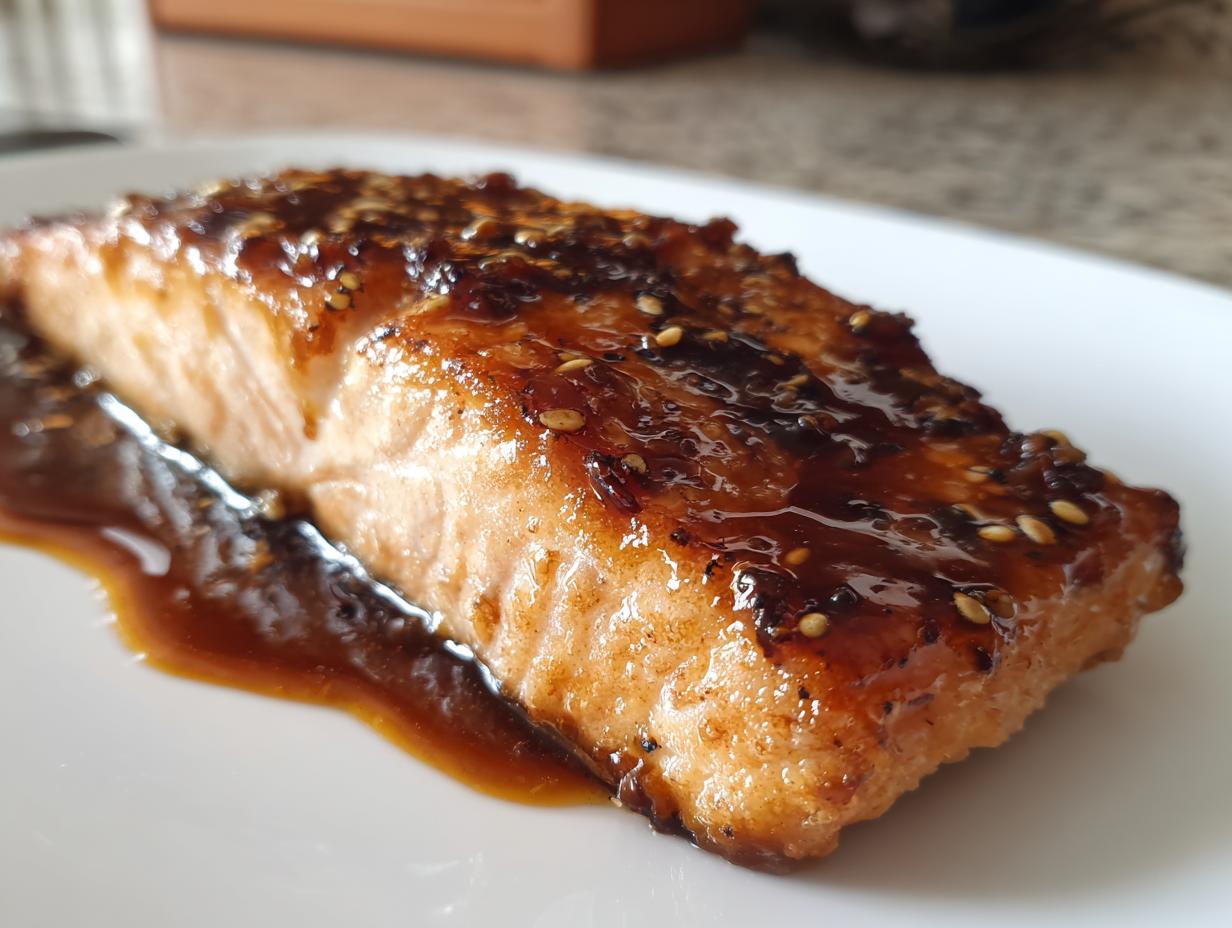
Don’t you just get those nights where you desperately crave that thick, smoky, sweet restaurant glaze coating a perfectly cooked piece of fish, but the thought of actually going out or spending hours slaving over a stove just won’t fly? Honestly, I get it. That’s why I’m so obsessed with this recipe for Texas Roadhouse Style Baked Salmon. We’re talking about getting that incredible, sweet and savory flavor baked right into tender salmon fillets in about twenty-five minutes total. This isn’t some fussy technique that requires a culinary degree. You know how Maddie Thompson is—she only shares recipes that work every single time, even when you’re tired and just need to get dinner on the table fast. This recipe is tested, reliable, and proves you can have that impressive, restaurant-quality taste without sacrificing your weeknight sanity. If you’re looking for fantastic ways to upgrade your rotation, check out some of our other quick weeknight dinners!
- Why This Texas Roadhouse Style Baked Salmon is Your New Favorite
- Ingredients Needed for Perfect Glazed Salmon
- Step-by-Step Instructions for Moist and Tender Salmon
- Tips for Achieving Restaurant Quality Baked Salmon
- Ingredient Notes and Substitutions for Your Salmon
- Serving Suggestions for Your Easy Salmon Dinner
- Storing and Reheating Leftover Salmon
- Frequently Asked Questions About Baked Salmon
- Share Your Texas Roadhouse Style Salmon Experience
- Share Your Texas Roadhouse Style Salmon Experience
Why This Texas Roadhouse Style Baked Salmon is Your New Favorite
I know you have a million Easy Salmon Recipes saved, but this one cuts right to the chase while delivering unbelievable flavor. Seriously, this isn’t just basic oven-baked fish; it’s got that signature sweet and smoky complexity that makes you feel like you just ordered takeout from your favorite steakhouse. And the best part? It truly is a Quick Dinner Salmon solution. You won’t be standing over the stovetop forever, trust me. I developed this specific version so that even on Tuesday night, you can serve something that looks and tastes like you planned it days in advance. This is how you achieve Restaurant Style Salmon At Home without the hassle!
Here’s what makes this glazed salmon special:
- Speed Demon: Total time is under 30 minutes, making it perfect for busy families.
- Unbeatable Texture: The glaze locks in moisture, guaranteeing you get Moist and Tender Salmon every single time. No dry edges here!
- Flavor Bomb: That sweet and savory coating hits all the right notes—a little smoky, a little sweet, super comforting.
- Foolproof Baking: We’re using the oven, because it distributes heat evenly and lets that glaze bubble up beautifully.
Ingredients Needed for Perfect Glazed Salmon
Okay, the beauty of this Glazed Salmon recipe lies in how simple the ingredient list is. We aren’t juggling twenty things here. I’ve kept it streamlined so you can grab what you need and go. Just like when I make my shrimp bake, simplicity means less stress, which means more enjoyment while you cook!
We have two main parts: the fillets themselves and the amazing sauce that makes this taste like a treat. Make sure you’ve got your fillets ready—skin on or off, whatever you prefer—and then let’s look at what goes into that flavor punch.
For the Salmon Fillets and Simple Seasoning
This is the base layer before we go heavy on the glaze. You’ll need this on hand:
- 4 (6 ounce) salmon fillets, skin on or off—consistency in size helps them cook evenly!
- 1 tablespoon olive oil (just enough for a light coating)
- 1 teaspoon salt (don’t skip this, it really seasons the meat)
- 1/2 teaspoon black pepper
- 1/2 teaspoon garlic powder
- 1/4 teaspoon paprika (regular is fine here)
For the Sweet and Savory Glaze
This is where the magic happens. Whisk these together until they look like one gorgeous, sticky mixture ready to coat your fish:
- 4 tablespoons unsalted butter, melted (make sure it’s fully melted!)
- 2 tablespoons honey (use a good liquid one)
- 1 tablespoon brown sugar, packed (dark brown sugar adds the best depth)
- 1 teaspoon Worcestershire sauce (critical for that savory kick)
- 1/2 teaspoon smoked paprika (this is the key to that “baked” flavor)
- 1/4 teaspoon onion powder
- 1/4 teaspoon dried thyme
- 1 clove garlic, minced (freshly minced, please! It makes a huge difference in the aroma.)
Step-by-Step Instructions for Moist and Tender Salmon
If you follow these steps, I absolutely guarantee you’ll achieve that perfect texture we are after—truly Moist and Tender Salmon. Nothing in this recipe is difficult, but the order of operations really matters for maximizing that sweet glaze flavor while keeping the fish delicate.
First things first, get your oven ready to go. We need a nice, hot environment for this to work correctly. Preheat your oven right up to 400 degrees Fahrenheit (200 degrees Celsius). If you’re using a sheet pan, line it with parchment paper or foil. Believe me, cleaning up sticky glaze off a baking sheet is nobody’s idea of fun, so do yourself a favor and prep that pan now!
Prep and Season Your Fillets
This might sound overly fussy, but how you prep the fish dictates the final result. Take your salmon fillets and pat them completely dry with paper towels. Get them as dry as you possibly can! Any surface moisture will steam the fish instead of letting that seasoning crust stick, and we are aiming for maximum flavor adhesion here. Once they are dry, lay them on your prepared baking sheet. Now grab your basic seasoning mix—the salt, pepper, garlic powder, and paprika—and sprinkle it evenly over the top surface of each fillet.
Mixing Up That Incredible Glaze
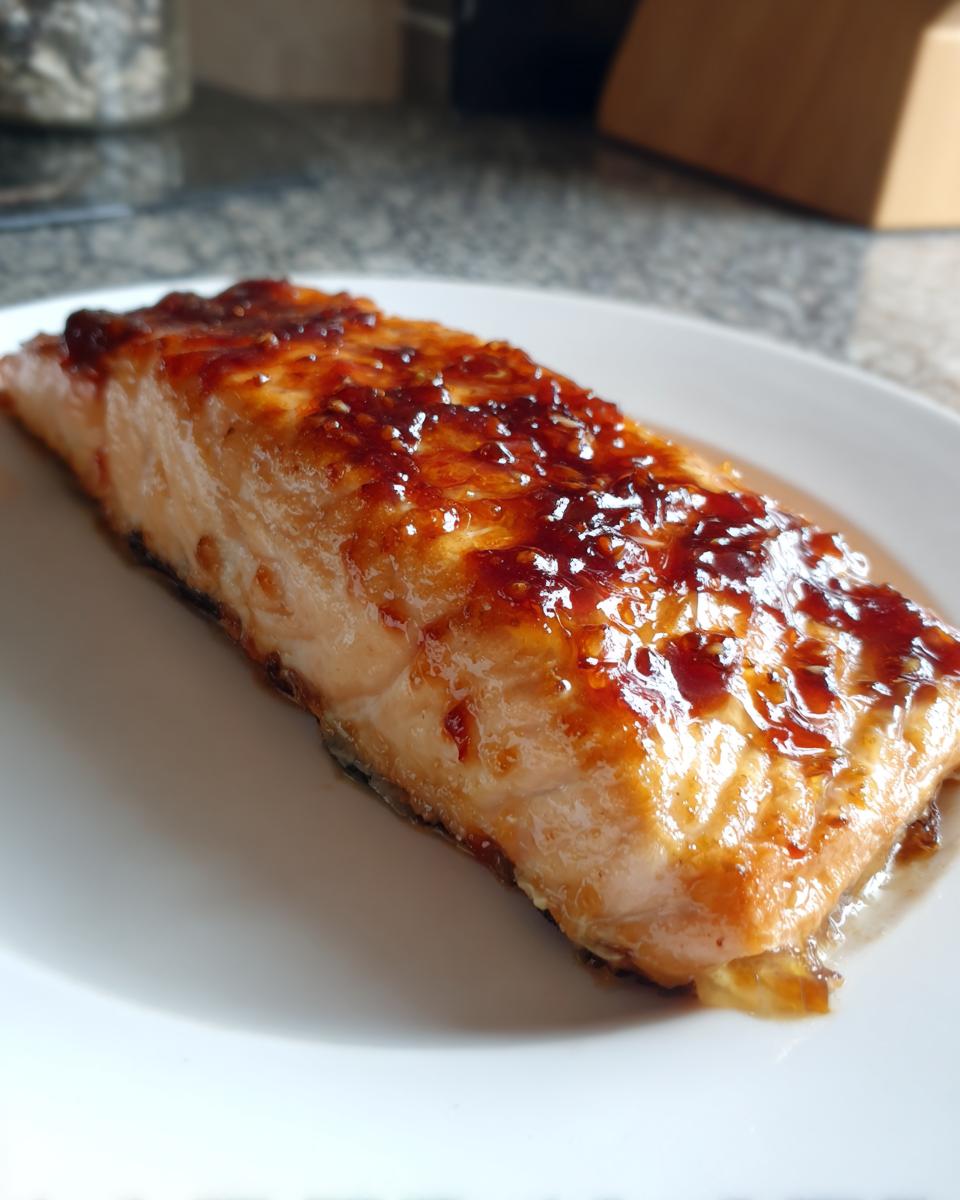
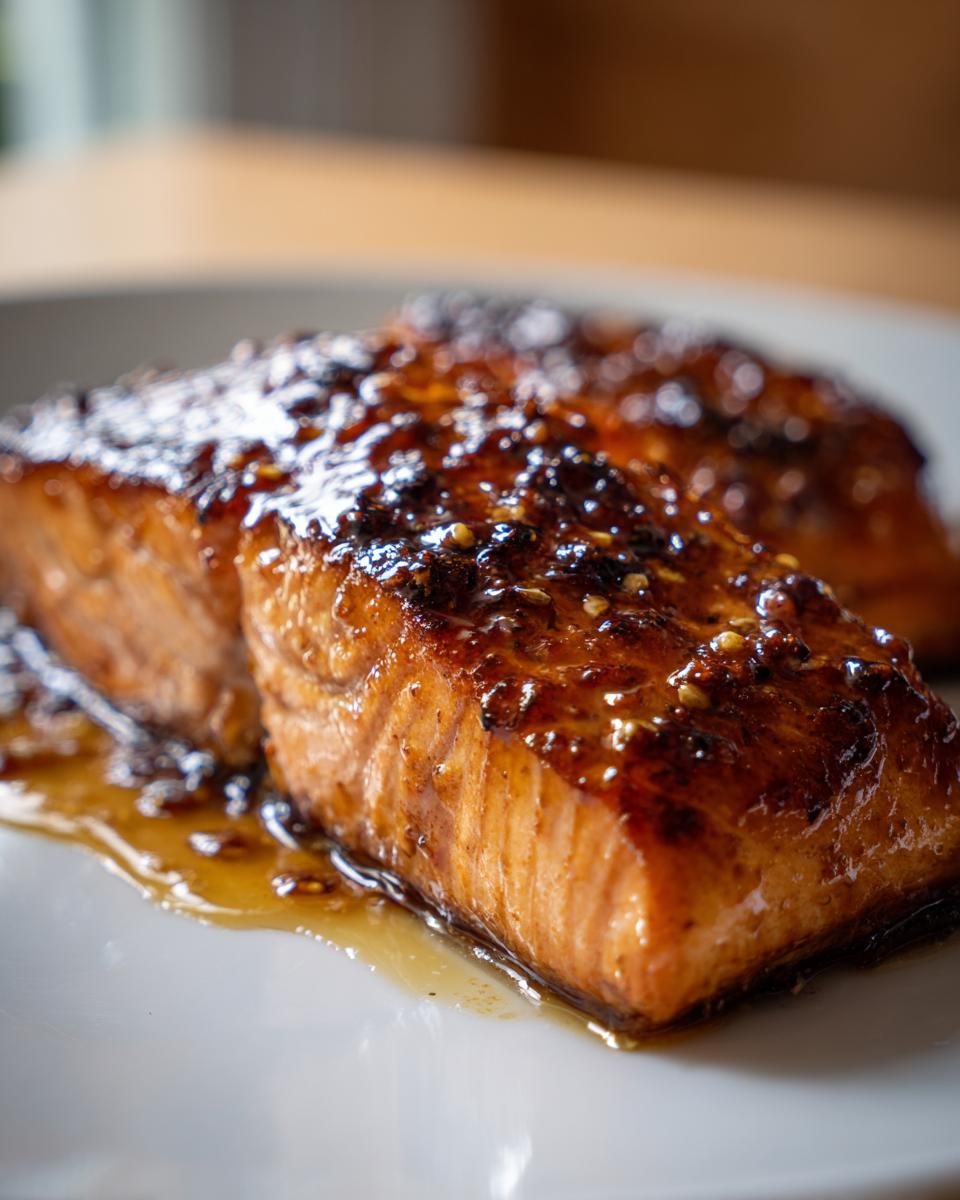
While you are seasoning the fish, quickly mix the sauce ingredients. In a separate small little bowl, whisk together the melted butter, honey, brown sugar, Worcestershire sauce, smoked paprika, onion powder, thyme, and that minced garlic. Whisk it well! You are looking for a uniform liquid that looks glossy and ready to coat everything perfectly. That smoked paprika is what really helps sell the restaurant vibe here. Once it’s mixed, spoon this glaze generously over the seasoned tops of the fillets. Make sure every bit is covered; that’s where all the flavor comes from!
Baking for Flaky Perfection
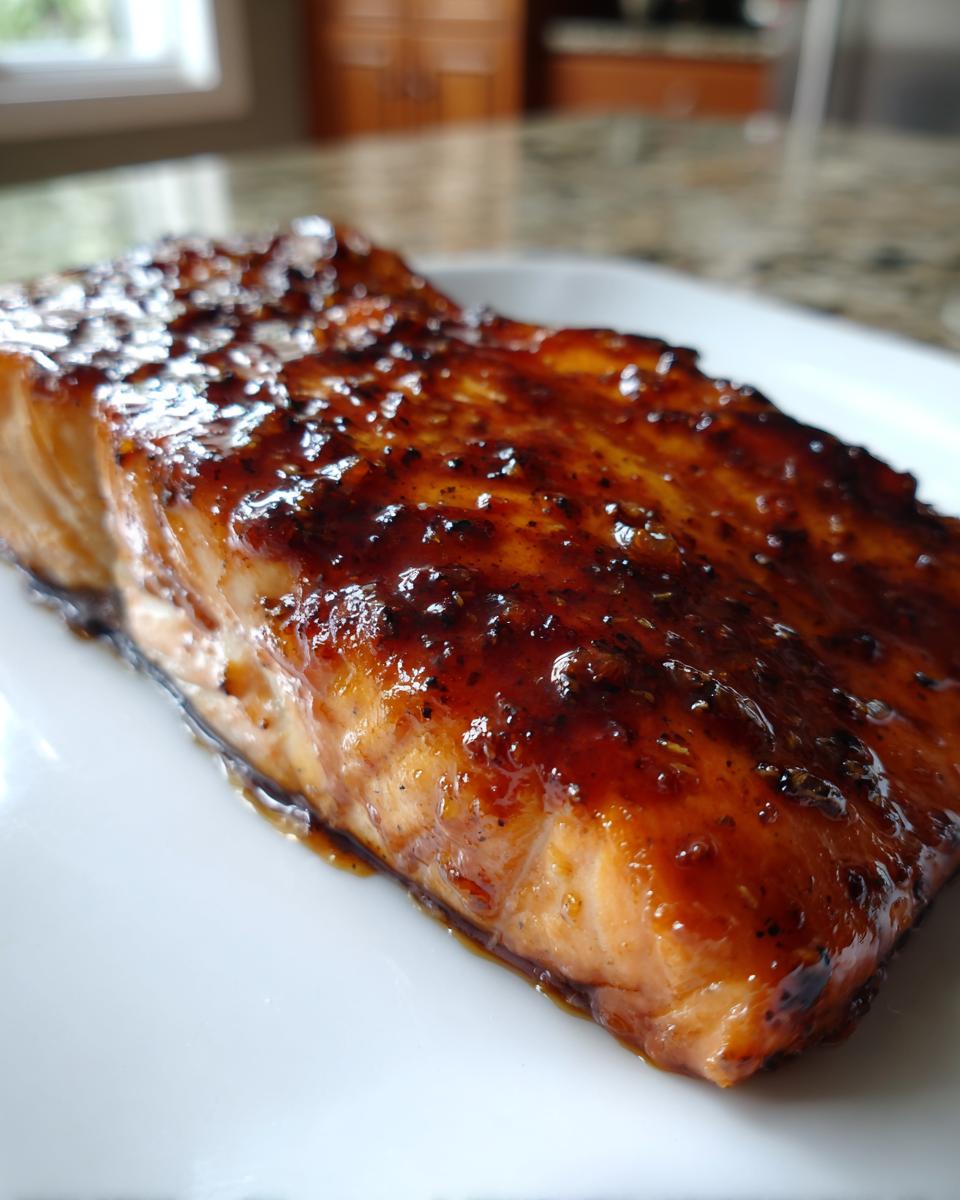
Pop that tray into your preheated 400°F oven. Seriously, don’t walk too far away! These cook incredibly fast. For fillets that are about an inch thick, you are looking at 12 to 15 minutes total bake time. Keep an eye on the glaze—it should get bubbly and start to caramelize around the edges. If you’re feeling brave and *really* want those crispy edges (check out how I get crispy edges on steak!), you can carefully slide the pan under the broiler for the last minute or two, but watch it LIKE A HAWK, because that honey sugar mixture burns in seconds. The moment of truth? When you gently test it with a fork and the fish flakes apart easily, you are done! Everything you need to know about getting restaurant-quality flavor without the time commitment, like this Texas Roadhouse recipe, is right here. Next, you might want to check out these steak bites and potatoes for another easy meal.
Tips for Achieving Restaurant Quality Baked Salmon
Getting salmon to taste like it came from a bustling, high-end kitchen is all about those little details, you know? It’s less about magic and way more about mastering a few key repeatable steps. Since this recipe relies so much on that beautiful caramelization, consistency in your fillet size and managing that glaze are super important. Don’t worry, I’ve figured out the tricky parts so you don’t have to repeat my mistakes—like the time I basically burned sugar right onto the pan!
Consistency is Key for That Even Flake
If you look at the ingredients, we call for four 6-ounce fillets, but if one is an inch thick and the other is paper-thin, they are absolutely not going to finish cooking at the same time. That’s how one person gets juicy meat and the other gets that sad, dry piece of fish. When you buy your salmon, try to pick fillets that are as close in thickness as possible. If you have one monster fillet, just gently press down on the thicker side with the palm of your hand—don’t mash it, just encourage it to settle slightly flatter. This little bit of shaping ensures you get that perfectly uniform, flaky salmon fillet that signals a truly well-made dinner.
Don’t You Dare Overcook It!
This is the biggest culinary sin when dealing with good quality fish, honestly. Overcooked salmon turns into fish jerky, and all that gorgeous sweet glaze just sits on top of something disappointing. The recipe says 12 to 15 minutes at 400°F, right? You HAVE to treat that range as your absolute boundary. Start checking at 12 minutes. Remember that carryover cooking? The fish continues to cook for a few minutes after you pull it out of the oven, especially when it’s already coated in a warm sugar glaze. Pull it when it just starts looking opaque and flakes easily with gentle pressure. If you’re nervous about it, I always suggest checking the internal temperature—145°F is the safe guideline, but honestly, I pull mine between 135°F and 140°F because the residual heat takes it the rest of the way, guaranteeing a moist and tender salmon experience.
Glaze Consistency: Not Too Thin, Not Too Thick
We want a glaze that coats the fish beautifully, right? If your melted butter and honey mixture is too thin, it just slides right off the fish and pools into a sugary disc on your baking sheet. If it gets too thick because your butter solidified a bit, it won’t spread nicely over the top. If you notice your glaze is looking a little too runny before you brush it on, just pop that little bowl back into the microwave for about 10 seconds until it’s brushable again. If you made it ahead of time (which is fine!), just warm it up slightly. For the very last two minutes, you can even gently brush on a second, thin layer of the remaining glaze—that’s what really amps up that caramelized look, making it true restaurant style salmon at home. If you’re ever looking for other baked ideas, check out how I use a simple base for my favorite dump cake—the principle of a perfect topping is the same!
Ingredient Notes and Substitutions for Your Salmon
I always tell folks that while my recipes are tested and true, life happens, and sometimes you just don’t have every single item staring back at you from the pantry shelf. That’s fine! We can absolutely make smart swaps without losing the integrity of this sweet and savory salmon glaze. Being knowledgeable about substitutions—especially when dealing with sauces—is what separates the stressed cook from the confident one. This approach is how I learned to bake everything from pumpkin banana bread to perfect seafood.
What If I Don’t Have Brown Sugar?
The brown sugar is there to give us that deeper, almost molasses-like sweetness, which really complements the savory Worcestershire sauce. If you are completely out of brown sugar, you can substitute it with an equal amount of granulated white sugar, but you absolutely MUST make up for that lost molasses flavor. I suggest adding an extra 1/4 teaspoon of molasses if you have it, or even a very tiny splash (like 1/4 teaspoon) of maple syrup to restore that rich color and depth.
Worcestershire Sauce Substitutions
Worcestershire sauce is powerful stuff; it brings a huge umami depth that stops this glaze from just tasting like straight-up sweet syrup. If you don’t have any, don’t stress! You can use an almost equal amount of soy sauce or tamari. Be careful, though, because soy sauce is saltier! If you go that route, definitely cut back the added salt in your initial fish seasoning by about half a teaspoon and taste the glaze before you brush it on. A little bit of steak sauce, if you have that weird half-bottle hiding in the fridge, can also work in a pinch!
Can I Use Honey or Maple Syrup Interchangeably?
Yes, you definitely can swap the honey for maple syrup in this glaze! Maple syrup offers a slightly different flavor profile—a little earthier and woodier, which surprisingly works great with the smoked paprika. If you use maple syrup, make sure you use slightly less since maple is naturally thinner than honey; I’d start with 1.5 tablespoons instead of 2 tablespoons when using maple syrup. Remember, we are aiming for a thick, coatable glaze, not a watery sauce!
What About Using Frozen Salmon?
I always prefer starting with fresh or fully thawed fish for the best texture, especially when we are relying on patting the surface dry. If you have to use frozen salmon, thaw it completely in the refrigerator overnight—never thaw fish on the counter at room temperature! Once it is fully thawed, make sure you still rinse it quickly and pat it *very* dry before seasoning. Frozen fillets can sometimes release extra moisture during baking, so you might need to check for doneness a minute or two earlier than the typical 12-15 minute mark.
Serving Suggestions for Your Easy Salmon Dinner
One of the best things about making a beautiful Glazed Salmon centerpiece like this is that it pairs well with almost anything you have in the fridge! Since this recipe cooks up in less than 20 minutes, you definitely want sides that can keep up with that speed. We are aiming for that perfect Quick Dinner Salmon setup, right? You don’t want rubbery asparagus waiting around for your perfectly flaky fish to finish!
Because the glaze has a lovely sweet and savory profile—that honey, brown sugar, and Worcestershire combo—you want sides that either cut through the richness with some acid or absorb those amazing pan juices. Think light, bright, or starchy!
The “Green Thing” That Always Works
You need some color on that plate! For me, the fastest route is always a simple spring green. Roasted asparagus is my go-to. Take those fresh spears, drizzle them with a tiny bit of olive oil, sprinkle with salt and pepper, and roast them right along with the fish for the last 10 minutes on a separate part of the baking sheet (or just pop them in the oven when you put the fish in, they handle the heat just fine). If you want something brighter, gently steam some green beans and toss them with a squeeze of fresh lemon right before serving. That little bit of sourness is the perfect foil for the sweet glaze.
Starch for Soaking Up the Sauce
Trust me, when that bubbly glaze starts to pool slightly on the pan, you are going to want something good to soak it up! Simple white rice works great, but if you want to elevate it slightly without adding much time, I highly recommend a bright, herby rice. You can check out those tips for making amazing Mediterranean Lemon Rice; the lemon zest in that recipe is fantastic with fish. Alternatively, a simple baked potato topped with a bit of plain Greek yogurt instead of sour cream gives you that comforting texture without too much fuss.
For an Impressive Dinner Feel
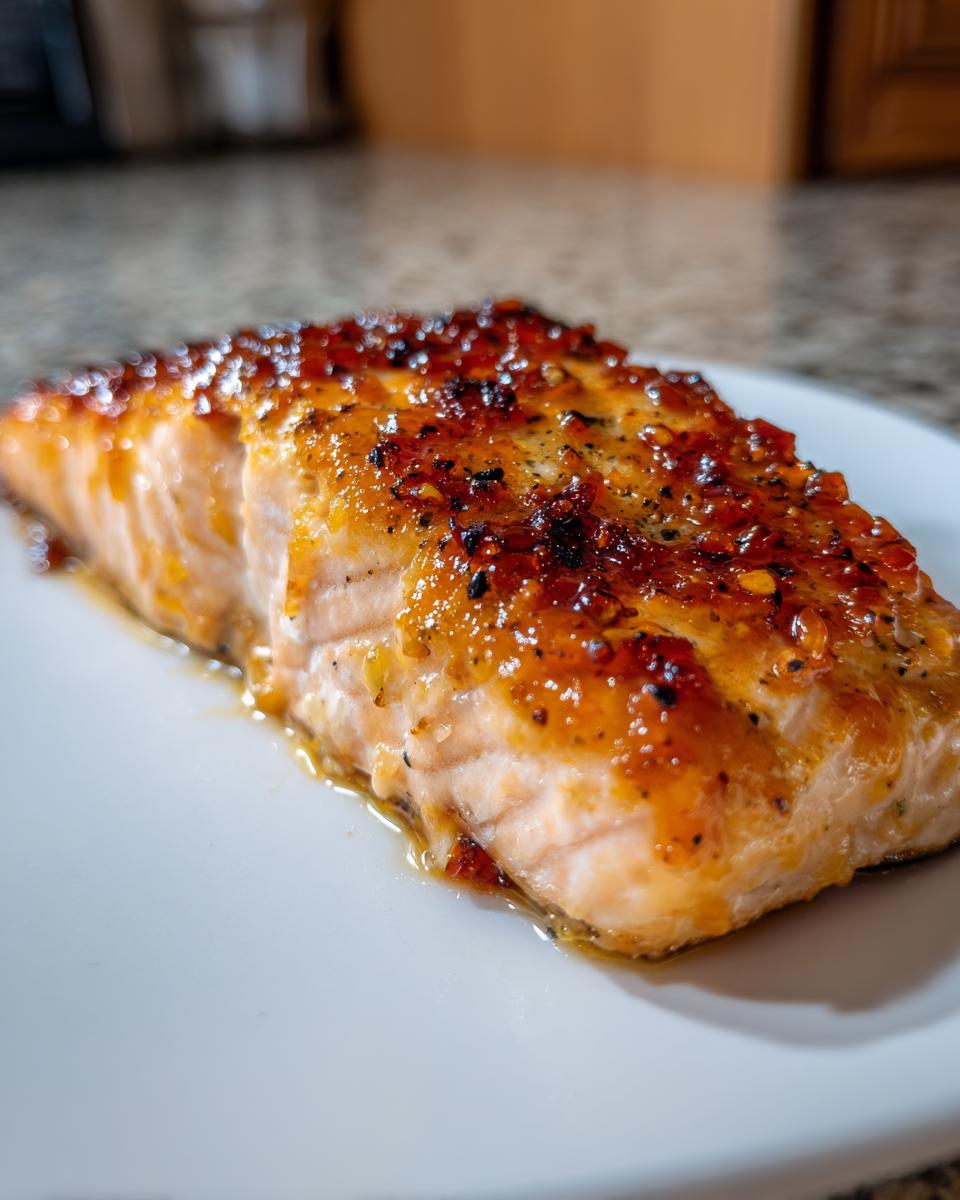
If you are serving this for company or just feeling fancy on a Friday, we need something more substantial. Roasted root vegetables—think carrots and maybe some small sweet potatoes—roast beautifully alongside the salmon, picking up some of that caramelized flavor from the oven heat. Another great idea is to make a quick side salad but add some textural crunch. Maybe lightly toast some slivered almonds or walnuts and toss them into your greens. They mimic the slight texture you get from the savory crust on recipes like the Parmesan-crusted option, keeping everything interesting!
Storing and Reheating Leftover Salmon
Okay, let’s talk leftovers! Sometimes, even when you only make four fillets, there’s always one piece hiding out for lunch the next day, or maybe you cooked a double batch because you knew this salmon was too good to pass up. The great news is that this Texas Roadhouse style fish freezes and reheats surprisingly well, provided you treat it gently. Fish can dry out so fast when you try to bring it back to life, so you need a gentle touch.
The key to keeping your leftovers tasting like fresh-made glazed salmon instead of rubbery fish flakes? Moisture management! I’ve done the testing so you don’t have to reheat that slightly sad piece of fish in the microwave and realize you made a culinary mistake.
How Long Does Leftover Salmon Last?
When it comes to seafood, you always want to err on the side of caution. If you’ve properly cooled down your leftovers within two hours of taking them out of the oven, they should be safe to store in the refrigerator for up to three days. Make sure you chill that flavorful fish quickly! Use an airtight container—a good glass container works best to prevent the fish from absorbing any fridge odors. If you decide to freeze it, which is great if you made a huge batch, wrap the individual fillets tightly first in plastic wrap, then foil, and freeze for up to two months. Thaw them in the fridge overnight when you’re ready.
The Best Way to Reheat Salmon (Say No to the Microwave!)
I know the microwave is easy, but it nukes that gorgeous, moist and tender salmon texture right out of your fillet. It heats unevenly, and you end up with hot spots next to cold spots. Nope! We are using low and slow heat to gently bring the temperature up and keep that glaze from burning.
Reheating in the Oven (The Top Pick)
This is, hands down, my favorite way to revive this baked salmon. Preheat your oven to a very low temperature—I’m talking around 275°F (135°C). Place the leftover fillet in a small, oven-safe baking dish. Here’s the absolute must-do step: add just a tablespoon of water or perhaps a tiny splash of chicken broth to the bottom of the dish, and then cover it tightly with aluminum foil. The foil traps the steam, and the water creates humidity, essentially steaming the fish back to life. Bake it for about 10 to 15 minutes, or until it’s heated through. It comes out looking almost as good as new!
Reheating on the Stovetop
If you only have one or two small pieces, the stovetop can work in a pinch, but you need to keep the heat low. Grab a non-stick skillet large enough to hold the fish in a single layer. Add a tiny bit of water or olive oil to the pan, place the fish in, cover the pan tightly, and let it heat over low heat for about 4 to 6 minutes. You want to bring it up to temp gently without letting the glaze scorch on the pan bottom. This method is fast, but you have to listen closely so you don’t burn the outside before the center warms up.
If you’re looking for similar easy comfort meals that reheat perfectly well—and you know I love a good leftover—you should really look at my recipe for the Chicken Broccoli Casserole. Casseroles are designed for this!
Frequently Asked Questions About Baked Salmon
I get so many messages about specific issues people run into when baking fish, so I figured I’d answer the most common ones right here underneath the recipe! Even though this Texas Roadhouse Style Salmon is straightforward, knowing these little tricks helps you feel confident cooking seafood every time. I want you to stop worrying about whether you’re making one of those Healthy Salmon Ideas that turns out dry!
How do I know when the salmon is done? I’m scared of overcooking!
This is my number one question, honestly! The most reliable way to ensure you get those beautiful, flaky salmon fillets is to use the visual and touch test simultaneously. First, look at the thickest part of the fillet; it should look opaque, not raw and shiny pink in the center. Second, gently press the top with a fork. If it easily separates into tender flakes—that’s done! For an extra layer of certainty, an instant-read thermometer inserted into the thickest part should read around 135°F to 140°F when you pull it out; it climbs a little higher while resting. Don’t wait for it to hit 145°F in the oven, or it will be dry on your plate!
Can I use frozen salmon fillets for this recipe?
You sure can, but remember what I said about preparation—you need maximum dryness for that glaze to stick! If you use frozen salmon, you absolutely must thaw it completely first, preferably in the refrigerator overnight. Do not try to bake it straight from frozen, or you’ll end up with a burned sticky mess on the outside and an icy center. Once thawed, treat it just like fresh: rinse, pat it *aggressively* dry with paper towels, and then season and glaze as directed. Since these are thinner fillets for a quick dinner salmon, thawing properly is non-negotiable for even cooking!
Is this Texas Roadhouse Style Salmon a healthy salmon idea?
I would categorize this as moderately healthy, leaning toward healthy, depending on what you compare it to! Salmon itself is fantastic—packed with those good-for-you omega-3s. We aren’t deep-frying this fish, which is a huge win. We use a measured amount of butter and honey. Since it’s so flavorful, you don’t need heavy sides. If you are watching sugar intake closely, you can think of this more as a special occasion Glazed Salmon rather than an everyday staple, or you can try cutting the honey/brown sugar in the glaze by 25%. For truly everyday healthy options, check out my list of healthy lunch recipes that skip the glaze entirely! For more general tips on healthy baking, this guide from Fresh Juice Kitchen is also insightful: The Best Oven Baked Salmon Recipe.
My glaze keeps burning before the fish cooks! What am I doing wrong?
Oh, that beautiful sugar burn! That happens when the environment around the glaze gets too hot, or if the glaze layer is *way* too thick. Since we are baking at 400°F, which is perfect for cooking the fish, the sugar browns fast. If this is a common struggle for you, try brushing on half the glaze right when the salmon goes in, and then brush the second half on only for the last 5 minutes of baking. That gives the fish adequate time to cook through before that sugary coating completely caramelizes, keeping your final product glossy and delicious instead of charred!
Share Your Texas Roadhouse Style Salmon Experience
Okay, now that you’ve made this ridiculously easy, restaurant-worthy dish, I absolutely need to hear about it! Cooking shouldn’t be a solo effort; sharing our successes (and occasional flops!) is what builds confidence in the kitchen. Please, when you get a chance, come back here and leave a star rating for this Texas Roadhouse Style Baked Salmon. Did those smoke notes come through just right? Did your family devour it as quickly as mine does?
I love seeing how my recipes look in *your* kitchens, especially when you plate up something this impressive! Snap a picture and tag me on social media—you can find all my handles on the contact page. Don’t forget to tell me what sides you served with it! Happy cooking, and thank you for trusting my family’s tested methods for your weeknight meals!
Share Your Texas Roadhouse Style Salmon Experience
Okay, now that you’ve made this ridiculously easy, restaurant-worthy dish, I absolutely need to hear about it! Cooking shouldn’t be a solo effort; sharing our successes (and occasional flops!) is what builds confidence in the kitchen. Please, when you get a chance, come back here and leave a star rating for this Texas Roadhouse Style Baked Salmon. Did those smoke notes come through just right? Did your family devour it as quickly as mine does?
I love seeing how my recipes look in *your* kitchens, especially when you plate up something this impressive! Snap a picture and tag me on social media—you can find all my handles on the contact page. Don’t forget to tell me what sides you served with it! Happy cooking, and thank you for trusting my family’s tested methods for your weeknight meals!
PrintTexas Roadhouse Style Baked Salmon with Sweet and Savory Glaze
Make restaurant-quality Texas Roadhouse Style Baked Salmon at home. This easy recipe uses a sweet and savory glaze to keep the salmon moist and flaky. It is perfect for a quick weeknight dinner or when you want to impress guests.
- Prep Time: 10 min
- Cook Time: 15 min
- Total Time: 25 min
- Yield: 4 servings 1x
- Category: Dinner
- Method: Baking
- Cuisine: American
- Diet: Low Fat
Ingredients
- 4 (6 ounce) salmon fillets, skin on or off
- 1 tablespoon olive oil
- 1 teaspoon salt
- 1/2 teaspoon black pepper
- 1/2 teaspoon garlic powder
- 1/4 teaspoon paprika
- For the Glaze:
- 4 tablespoons unsalted butter, melted
- 2 tablespoons honey
- 1 tablespoon brown sugar, packed
- 1 teaspoon Worcestershire sauce
- 1/2 teaspoon smoked paprika
- 1/4 teaspoon onion powder
- 1/4 teaspoon dried thyme
- 1 clove garlic, minced
Instructions
- Preheat your oven to 400 degrees Fahrenheit (200 degrees Celsius). Line a baking sheet with parchment paper or aluminum foil for easy cleanup.
- Pat the salmon fillets dry using paper towels. This helps achieve better texture.
- Place the salmon fillets on the prepared baking sheet. Brush the tops lightly with olive oil.
- In a small bowl, mix the salt, black pepper, garlic powder, and paprika. Sprinkle this seasoning mixture evenly over the salmon fillets.
- Prepare the glaze: In another small bowl, whisk together the melted butter, honey, brown sugar, Worcestershire sauce, smoked paprika, onion powder, dried thyme, and minced garlic until well combined.
- Spoon the glaze mixture evenly over the top of each salmon fillet, spreading it to cover the surface.
- Bake for 12 to 15 minutes, depending on the thickness of your fillets, until the salmon flakes easily with a fork and the glaze is bubbly and slightly caramelized. For crispier edges, you can broil for the last 1-2 minutes, watching closely to prevent burning.
- Remove from the oven and serve immediately. This salmon pairs well with roasted vegetables or rice.
Notes
- For extra flavor, you can add a squeeze of fresh lemon juice over the salmon after it comes out of the oven.
- If you prefer a thicker glaze, reduce the glaze mixture in a small saucepan over medium heat for 2-3 minutes before brushing it onto the fish.
- This recipe works well for achieving moist and tender salmon fillets.
Nutrition
- Serving Size: 1 fillet
- Calories: 350
- Sugar: 8
- Sodium: 450
- Fat: 20
- Saturated Fat: 10
- Unsaturated Fat: 10
- Trans Fat: 0
- Carbohydrates: 10
- Fiber: 0
- Protein: 32
- Cholesterol: 95