

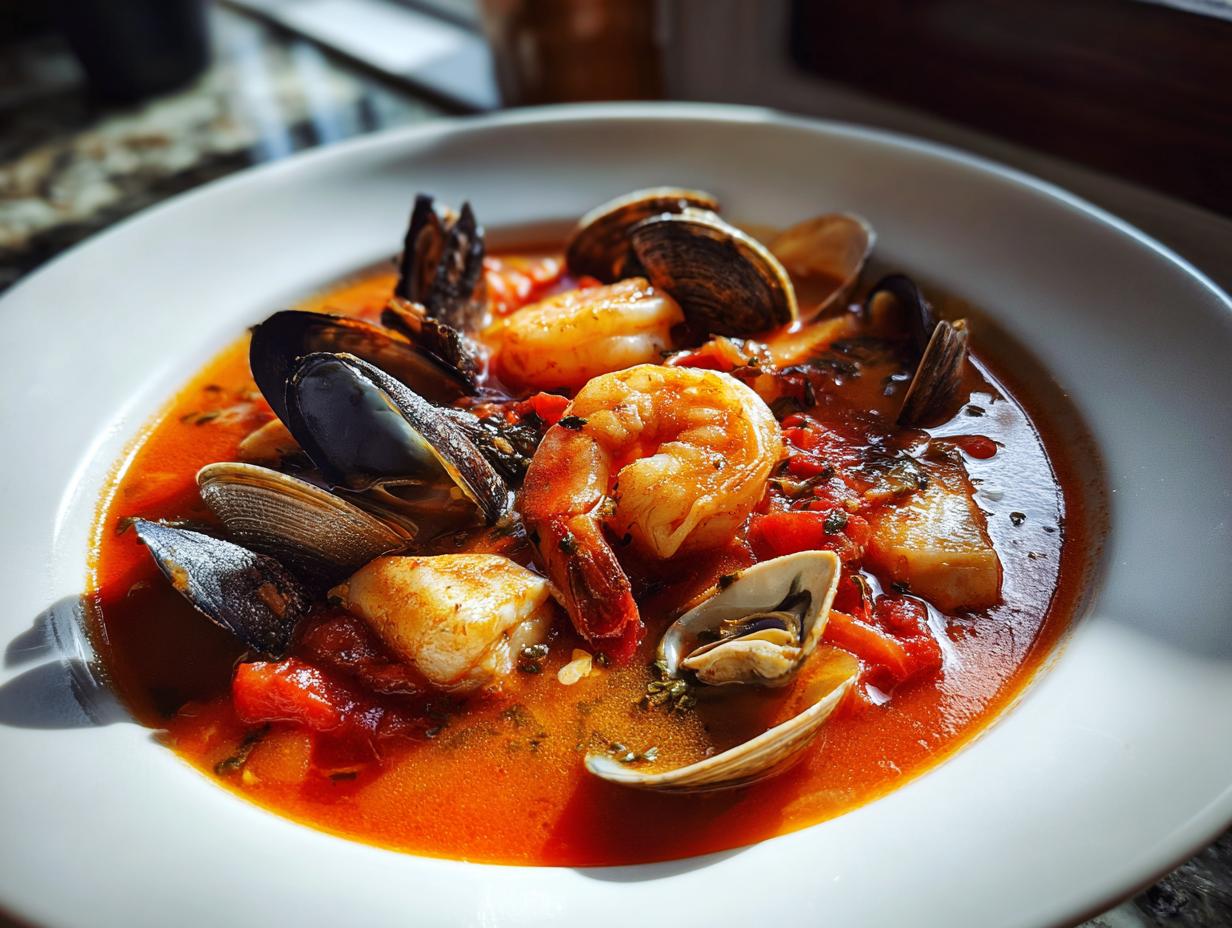
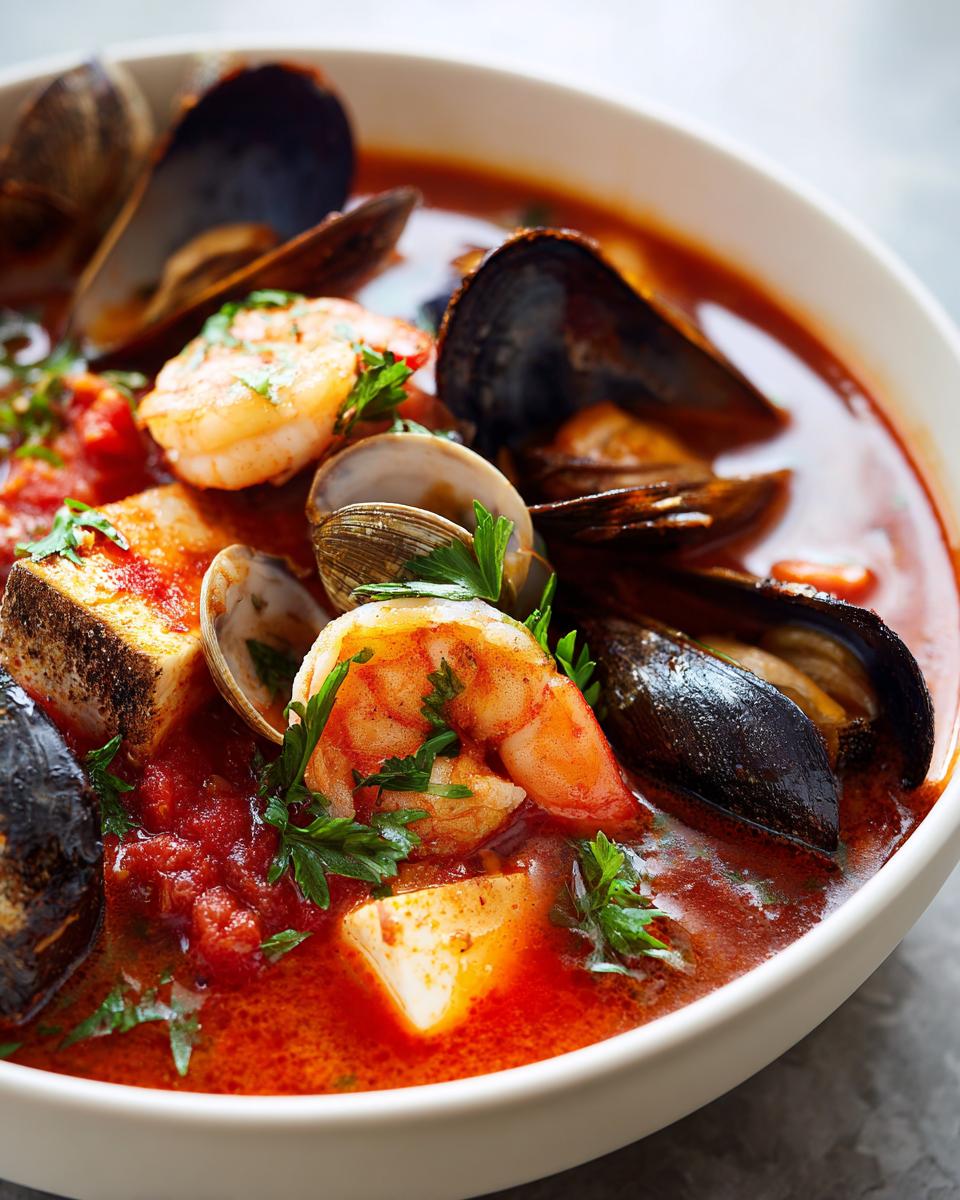
There is nothing quite like the steam hitting your face when you lean over a big, comforting bowl on a chilly evening. Sure, a light broth is nice sometimes, but when you really need a meal that hugs you from the inside out, you need something substantial. That’s why I’m sharing my absolute favorite, most reliable seafood soup recipe: the Rustic Mixed Shellfish and White Fish Cioppino. Forget fiddly, thin soups; this is big, bold, and loaded with clams, mussels, and juicy shrimp swimming in the richest tomato bath you’ve ever tasted. As you know from my philosophy here, I make sure every recipe, even this Italian-American classic, is tested until it’s perfectly clear. Trust me, this Cioppino will become your go-to for satisfying that deep-down craving for something truly delicious made right in your own kitchen.
- Why This Rustic Seafood Soup Cioppino is Your New Favorite
- Essential Ingredients for Your Best Seafood Soup Recipe
- Step-by-Step Instructions for This Hearty Fisherman Stew Recipe
- Expert Tips for the Ultimate Seafood Soup Success
- Serving Suggestions for Your Classic Cioppino Recipe
- Storage and Reheating Instructions for Leftover Seafood Soup
- Common Questions About Making Seafood Soup
- Nutritional Estimates for This Seafood Soup
- Share Your Rustic Seafood Soup Experience
Why This Rustic Seafood Soup Cioppino is Your New Favorite
I know there are a million light, brothy options out there, but this Cioppino is special. It hits that perfect sweet spot between being elegant enough for company and easy enough for a Tuesday night when you just want a big, filling bowl. It truly feels like a complete meal in one go without any fuss.
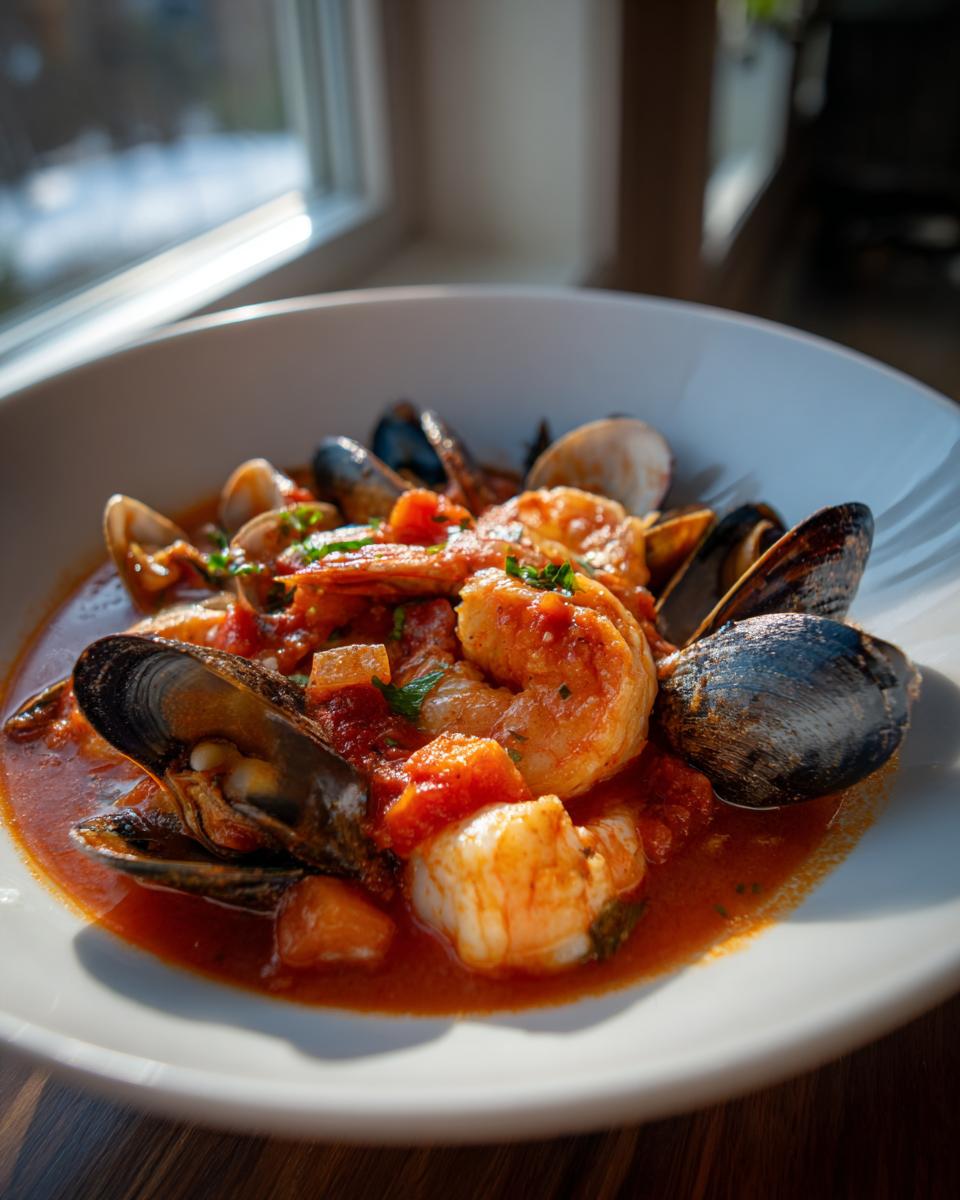
- Hearty Seafood Stew Flavor Profile: This isn’t dainty! We’re talking about firm white fish and sweet shellfish swimming in a simmered, deeply savory tomato broth spiked with wine and herbs. It’s rustic, honest food.
- Simple One Pot Seafood Dinner: Seriously, everything cooks right here in this one heavy pot. From the initial sauté to the final simmer, cleanup is a breeze, and we get this hearty companion on the table in under an hour total. If you loved my one pot taco soup, you’ll adore the minimal cleanup here!
Hearty Seafood Stew Flavor Profile
The secret to setting this apart from, say, an elegant bisque is the broth itself. It’s chunky, tomato-forward, and almost tastes like the sea met a bright Italian garden. When you add the wine, it deglazes all those lovely browned bits from the onions and garlic, locking in so much depth before we even add the seafood. That deep flavor is pure comfort.
Simple One Pot Seafood Dinner
I always look for recipes that don’t create a mountain of dishes, and this one delivers brilliantly. You build the sauce, let it marry its flavors while simmering, and then drop the seafood right in. It’s genuinely one of the best ways to get a big flavor payoff for the minimal effort involved. Truly a perfect one pot seafood dinner solution.
Essential Ingredients for Your Best Seafood Soup Recipe
When you’re making something this special—a beautiful rustic stew—the quality of your components really matters. I pulled the ingredients straight from my tested list. Notice how many things need to be prepped by hand (chopping, mincing, scrubbing). That personalization is what stops this from tasting like canned soup and starts it tasting like Grandma’s kitchen!
- 2 tablespoons olive oil
- 1 large yellow onion, chopped
- 4 cloves garlic, minced
- 1 teaspoon dried oregano
- 1 teaspoon dried basil
- 1/2 teaspoon red pepper flakes (or more for spice—don’t be shy if you like a little kick!)
- 1 (28 ounce) can crushed tomatoes
- 1 (15 ounce) can tomato sauce
- 1 cup dry white wine (I almost always grab a Sauvignon Blanc; remember to use a wine you’d actually drink!)
- 2 cups seafood or fish broth
- 1 pound firm white fish (like cod or halibut), cut into 2-inch chunks
- 1 pound mussels, scrubbed and debearded
- 1 pound clams, scrubbed
- 1 pound large shrimp, peeled and deveined
- 1/2 cup fresh parsley, chopped
- Salt and black pepper to taste
Selecting Quality Seafood for This Italian Seafood Soup
This recipe truly relies on the freshness of what you buy. You want your fish to smell like the ocean, not fishy at all. For the white fish, make sure you choose something firm—cod, halibut, or snapper work beautifully because they hold their shape when they simmer. If you ask your fishmonger, especially if you visit a local market like I prefer, tell them exactly what you’re using it for, and they’ll steer you right.
When you’re buying your clams and mussels, always give them a good scrub and check the shrimp. They should all be tightly closed or clamp shut if you tap them. That’s your sign they are alive and happy. Remember to pull off those little fuzzy beards from the mussels before they go into the pot—it sounds strange, but it’s an essential step for clean eating!
Step-by-Step Instructions for This Hearty Fisherman Stew Recipe
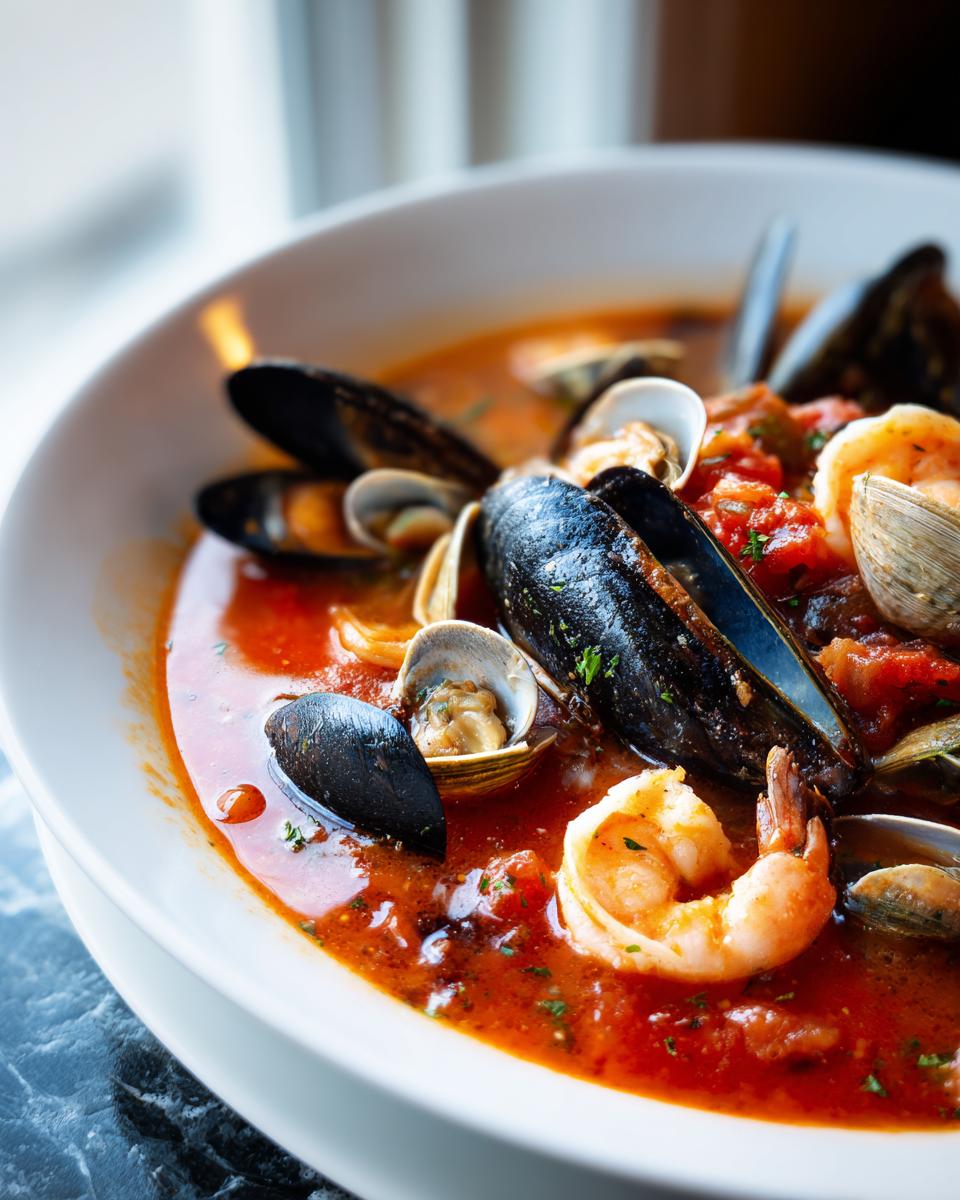
Putting together this wonderful Italian seafood soup is less about complicated knife skills and more about timing. I always tell people that once your seafood is prepped, it comes together surprisingly fast. We want to build flavor in layers, making sure every component sings before we toss the seafood in for that quick finish.
Building the Flavor Base for Your Seafood Soup
First things first: grab your biggest, heaviest pot, like a Dutch oven. Set it over medium heat and get your olive oil warm. Toss in that chopped onion and let it sweat until it’s soft and happy—about five minutes. Don’t rush this; soft onions make a sweeter base!
Once everything is fragrant, we add the flavor bombs: the garlic, oregano, basil, and those little red pepper flakes. You only cook this mixture for about a minute. Please, watch that garlic! We want it to just start smelling amazing—we’re not looking for brown or bitter here. If you burn the garlic, you’ll have to start this whole stage over, and nobody has time for that!
Simmering the Brothy Seafood Soup
Now for the liquids! This is where the tomato magic starts. Pour in your crushed tomatoes, the tomato sauce, the white wine, and that wonderful fish broth. Stir it all together really well. I like to season it up pretty generously with salt and pepper right now, because the broth needs to taste fantastic before the seafood hits.
Then, we let it rest. This is non-negotiable! Cover the pot and let that mixture simmer gently for a solid 15 minutes. This time allows the wine to cook down and bake those herbs right into the tomato base. Trust me, this 15-minute step is what separates a watery broth from a truly rich one. It’s that simmering stage that creates the depth for your seafood soup.
Adding Shellfish and Finishing the Seafood Soup
After 15 minutes, it’s time for the fish to go in! Gently nestle the white fish chunks, the mussels, and the clams right into that simmering liquid. Cover the pot again and let it cook for about 5 minutes. You’ll see the shells start to peek open.
Next up are the shrimp! Add those peeled shrimp on top, cover it again, and cook for just another 3 to 5 minutes until those shrimp are pink and curled up. You must be diligent here—overcooked shrimp are chewy, and we don’t want that! Remember the rule: if a clam or mussel doesn’t open after cooking, toss it out; it wasn’t good to begin with. Finally, stir in your fresh, bright parsley, taste for final seasoning, and you have yourself a show-stopping fisherman stew recipe!
Expert Tips for the Ultimate Seafood Soup Success
Even with a great recipe like this Cioppino, sometimes you want to push things a little further, right? Over the years I’ve played around with this method, and I’ve learned a few little secrets that make a huge difference when you’re making any kind of seafood soup. These tweaks take it from being just good to being absolutely restaurant-worthy.
Making Homemade Seafood Broth for Deeper Flavor
One thing I always stress is the broth. If you can, please try making your own seafood broth one time. Yes, it’s an extra step, but wow, does it pay off! You can use shrimp shells—if you peeled them yourself—or some inexpensive fish scraps from your counter. Just simmer them gently with a few carrot tops if you have them, some celery, and maybe a bay leaf. It takes about 45 minutes, and when you strain it, you get this pure, oceanic flavor that blows the store-bought stuff out of the water. If you’re looking for the full guide, I put all my best tricks in my post on how to make seafood broth. It really makes your whole soup taste like it came straight from a seaside shack.
Adapting This Seafood Soup into a Creamy Seafood Bisque Recipe
Now, I know some of you are total cream lovers, and while this rustic style is my favorite, I totally get wanting that smooth, decadent texture. If you find yourself longing for a magnificent creamy seafood bisque recipe instead, don’t despair! You can totally convert this. Before you add the fish and shellfish back in at Step 5, pull out about one cup of that flavorful broth you made and let it cool slightly. Whisk in about half a cup of heavy cream until it’s smooth. Then, just pour that creamy goodness right back into the pot. It slightly thickens the whole soup and gives you that elegant, velvety mouthfeel of a true bisque. It’s amazing how one small addition changes the whole character of the dish!
Serving Suggestions for Your Classic Cioppino Recipe
So, you’ve got this massive, glorious pot of steaming, intensely flavored Cioppino ready to go. Now what? Presentation is half the battle, right? Since this rustic seafood soup is already a feast overflowing with clams, mussels, and fish, you don’t need much else hanging around the table, but you *do* need the right vehicle for that incredible broth.
The absolute number one thing you must serve with this is crusty bread. I mean it. Get the best, chewiest baguette you can find, slice it thick, and maybe brush it with some olive oil and toast it under the broiler for a minute. If you’re feeling extra, you can rub the toast with a raw garlic clove while it’s still warm. I’ve got a recipe for easy garlic naan bread, but for this, a traditional loaf works best for pure dipping power!
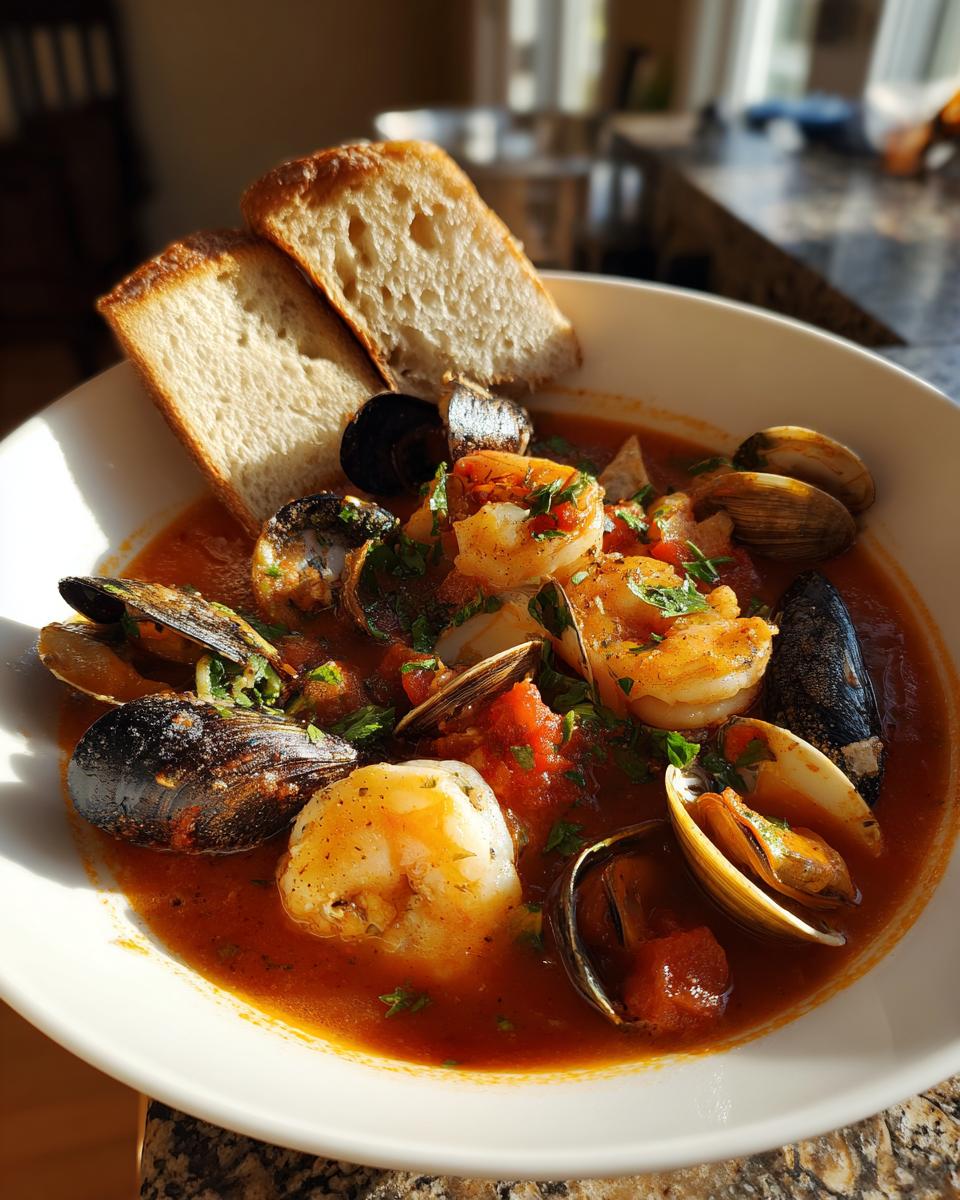
When you serve it, make sure everyone gets a nice selection of the seafood—a fish chunk, a couple of mussels, and a shrimp or two. Ladle that gorgeous tomato broth over everything. The key here is drama! Bring the whole pot to the table if you dare, letting that steam rise up. The broth is the star, so make sure everyone has a big, deep bowl ready to capture every last savory drop. It truly makes for an unforgettable dinner party centerpiece without you having to sweat over multiple side dishes.
Storage and Reheating Instructions for Leftover Seafood Soup
Even if you serve this Cioppino until the bowls are scraped clean, sometimes there are leftovers—and that’s a good thing! Leftover seafood soup is almost better the next day once those herbaceous tomato flavors have had a chance to really settle together. However, because we have tender fish and shellfish in here, we need to be gentle when storing and reheating so nothing turns mushy or rubbery.
First, always cool the soup down quickly. Don’t let that big pot sit on the counter for hours. You can divide it into smaller, shallow containers. This helps it chill safely in the fridge faster, which is crucial when you have seafood in there. It keeps beautifully for about two days maximum in the refrigerator. After that, the texture of the fish starts to degrade, no matter how careful you are.
Gently Reheating Your Cioppino
When it comes time to reheat, please, please avoid the microwave blast! That high heat rushes the cooking process and will instantly turn your lovely shrimp tough. The stovetop is the only way to go.
Pour the amount you want to eat into a saucepan over medium-low heat. You aren’t trying to boil this; you are just gently warming it through. Stir it very occasionally—just enough to avoid sticking at the bottom. You want it to reach a bare, slow simmer, and then pull it right off the heat. Once it’s steaming happily, you’re done. This low heat approach respects the fish and keeps the whole soup texture where we want it.
Keeping Shellfish Separate if Possible
Here’s a pro tip if you know you’ll have leftovers: If you can manage it while eating, scoop out any leftover clams or mussels into a separate small container right after dinner. That way, when you reheat the broth and fish, you aren’t constantly reheating the shells, which can sometimes leach a bit of a weird texture into the broth.
If you have leftover cooked shrimp, those are robust enough to stay in the broth when reheating, but honestly, I prefer to add fresh shrimp right at the end—tossing in some pre-cooked shrimp when warming the soup again always makes them a bit tough for my liking. Always better to add fresh seafood if you’re planning leftovers for a second night!
Common Questions About Making Seafood Soup
I get so many questions whenever I post a picture of a big pot of Cioppino bubbling away! It’s only natural; when you’re making a big splash with a seafood soup, you want everything to be perfect. I’ve rounded up a few things people always ask me about when they adapt this recipe or try to make their own version of a hearty seafood stew at home.
Can I use frozen seafood in this seafood soup?
Yes, you absolutely can use frozen seafood, especially if you can’t find fresh clams or mussels near you. The key, though, is thawing them correctly. Don’t just toss them in the sink under running water! You need to move them into the refrigerator the night before you plan to cook. Most frozen shrimp and fish should thaw slowly overnight in the fridge.
A word of caution: frozen fish sometimes releases a lot more water than fresh fish, which can thin out your beautiful broth. If you notice your broth looking thin after thawing your frozen fish, just let it simmer uncovered for a few extra minutes before adding the shellfish. You don’t want to add totally frozen items to the pot, either; add the thawed fish in with the fresh fish, but definitely add the shrimp last, just like we do with the fresh ones!
What is the difference between Cioppino and a traditional seafood soup?
That’s a great question! People often use the terms interchangeably, but Cioppino is really a specific style. Think of it like this: all Cioppino is a brothy seafood soup, but not all seafood soups are Cioppino. Cioppino is distinctly Italian-American, born right here in San Francisco. It’s characterized by that rich, rustic, tomato-based broth, usually featuring whatever the fishermen brought in that day—lots of mixed shellfish and firm fish.
A generic “traditional” seafood soup might be a lighter, clearer broth—almost like a French Bouillabaisse or maybe leaning towards a thick, creamy seafood chowder. Our recipe leans into that chunky, savory, herby Italian feeling. If your soup is thick and white, it’s a bisque or chowder; if it’s red and brothy, chances are you’ve made Cioppino!
How can I make this a spicy seafood soup?
I already love a good little kick, so I build a nice warmth into the base recipe using red pepper flakes. In Step 2, I call for about half a teaspoon, but you can easily bump that up to a full teaspoon if you like things hot! That’s the easiest way to control the heat right from the start.
If you want it even bolder, wait until the very end, right before you serve it, and stir in a few dashes of your favorite high-quality hot or chili sauce. Just make sure you taste the broth first to see if it needs salt before you add the spice, because some bottled sauces are super high in sodium. A dash of cayenne pepper mixed into the oil right alongside the dried herbs also works wonders if you prefer a clean, dry heat flavor!
Nutritional Estimates for This Seafood Soup
Okay, let’s talk numbers for a second. I know that for some of you, tracking nutrition is a big part of enjoying your meals, and I want you to feel completely comfortable digging into this gorgeous Cioppino! Based on the recipe, here’s what you can generally expect for one healthy serving bowl of this rustic seafood soup.
These figures are what I calculated based on the standard ingredients listed above. Since we’re dealing with fresh fish and shellfish, this can always vary a bit depending on exactly what type of fish you buy or the specific brand of canned tomatoes you use. But this is a great baseline for what you’re getting!
- Serving Size: 1 bowl
- Calories: 450
- Protein: 45g (See? That’s a protein powerhouse!)
- Fat: 15g (Mostly healthy fats from the olive oil)
- Carbohydrates: 35g
- Fiber: 7g
- Sodium: 750mg (This comes mostly from the broth and tomato products, so taste before you heavily salt that broth!)
- Saturated Fat: 3g
- Cholesterol: 250mg
The best part about this hearty stew is that it’s loaded with lean protein and fiber, making it super satisfying. Just be mindful of the sodium if you’re watching that number closely—that’s why I always tell people to season the broth *after* it simmers, so you only add what you absolutely need!
Share Your Rustic Seafood Soup Experience
That’s it! You’ve made it all the way through, and I truly hope that big, steaming pot of Cioppino brings the same warmth and comfort to your table that it brings to mine. This isn’t just a recipe; it’s a whole experience, full of amazing aromas and incredibly flavorful broth—the kind that makes you want to soak up every last drop with crusty bread.
Now, this is the part where we turn this recipe into a family tradition for all of us right here on the blog. I absolutely love hearing how you make these recipes your own! Did you add extra spice? Did you use different fish? Did you manage to get the wine pairing just right?
Please, if you made this Rustic Mixed Shellfish and White Fish Cioppino, take a moment and leave a rating down below. Even just a star rating helps other home cooks who are looking for a reliable, hearty meal decide to give this beauty a try. And drop your thoughts or questions in the comments! I really value hearing about your cooking triumphs, just like I value hearing about my own journey connecting back to my roots through great home cooking that you can explore more about on my About page. Happy cooking, everyone!
PrintRustic Mixed Shellfish and White Fish Cioppino

Make this hearty, rustic seafood soup, Cioppino, filled with fresh clams, mussels, shrimp, and fish simmered in a rich, savory tomato broth. It is a comforting, flavorful meal perfect for sharing.
- Prep Time: 20 min
- Cook Time: 35 min
- Total Time: 55 min
- Yield: 4 servings 1x
- Category: Dinner
- Method: Stovetop
- Cuisine: Italian-American
- Diet: Low Lactose
Ingredients
- 2 tablespoons olive oil
- 1 large yellow onion, chopped
- 4 cloves garlic, minced
- 1 teaspoon dried oregano
- 1 teaspoon dried basil
- 1/2 teaspoon red pepper flakes (or more for spice)
- 1 (28 ounce) can crushed tomatoes
- 1 (15 ounce) can tomato sauce
- 1 cup dry white wine (like Sauvignon Blanc)
- 2 cups seafood or fish broth
- 1 pound firm white fish (like cod or halibut), cut into 2-inch chunks
- 1 pound mussels, scrubbed and debearded
- 1 pound clams, scrubbed
- 1 pound large shrimp, peeled and deveined
- 1/2 cup fresh parsley, chopped
- Salt and black pepper to taste
Instructions
- Heat the olive oil in a large, heavy-bottomed pot or Dutch oven over medium heat. Add the onion and cook until soft, about 5 minutes.
- Add the minced garlic, oregano, basil, and red pepper flakes. Cook for 1 minute until fragrant.
- Pour in the crushed tomatoes, tomato sauce, white wine, and seafood broth. Stir to combine. Bring the mixture to a simmer.
- Season the broth generously with salt and pepper. Let it simmer gently for 15 minutes to allow the flavors to meld. This forms your rich seafood broth base.
- Add the white fish chunks, mussels, and clams to the simmering broth. Cover the pot and cook for 5 minutes.
- Add the shrimp to the pot. Cover and continue to cook for another 3 to 5 minutes, or until all the shellfish have opened and the shrimp are pink and cooked through. Discard any shellfish that do not open.
- Stir in the fresh parsley. Taste the soup and adjust salt and pepper as needed.
- Serve this hearty fisherman stew immediately with thick slices of crusty bread for dipping into the flavorful broth.
Notes
- For the best flavor, make your own seafood broth using shrimp shells or fish scraps simmered with vegetables. This elevates any seafood soup recipe.
- If you prefer a creamier seafood bisque texture, you can blend about 1 cup of the broth with 1/2 cup of heavy cream and stir it back in before adding the seafood.
- This recipe works well as a one pot seafood dinner. For an elegant seafood appetizer, reduce the quantities by half.
Nutrition
- Serving Size: 1 bowl
- Calories: 450
- Sugar: 12
- Sodium: 750
- Fat: 15
- Saturated Fat: 3
- Unsaturated Fat: 12
- Trans Fat: 0
- Carbohydrates: 35
- Fiber: 7
- Protein: 45
- Cholesterol: 250