


If you’re craving that deep, unmistakable comfort that only true Southern cooking brings, then you’ve come to the right place! For me, the smell of slow-simmered beans instantly transports me back to my grandmother’s kitchen, long before my city career got in the way. We aren’t making quick, thin soup today; we are making proper, rich, **Black Eyed Peas** that melt in your mouth. The secret weapon here is definitely the smoked ham hock, which transforms this simple side dish into the most flavorful and surprisingly **Creamy Black Eyed Peas** you’ve ever put on your plate. Trust me, this is the real deal from my family’s table to yours.
- Why This Is The Best Black Eyed Peas Recipe for Southern Comfort Food Beans
- Gathering Ingredients for Flavor Packed Black Eyed Peas
- How to Cook Black Eyed Peas: Mastering the Stovetop Simmer
- Time-Saving Methods for Instant Pot Black Eyed Peas
- Variations: Vegetarian Black Eyed Peas and Hoppin John Recipe
- Tips for Perfect Southern Black Eyed Peas Recipe Success
- Serving Suggestions for Black Eyed Peas with Ham Bone
- Storage and Reheating Hearty Bean Recipes
- Frequently Asked Questions About Black Eyed Peas
- Estimated Nutritional Data for Black Eyed Peas
- Share Your Experience with These Black Eyed Peas
Why This Is The Best Black Eyed Peas Recipe for Southern Comfort Food Beans
Look, I’ve tested all the shortcuts, but when it comes to authentic flavor, simmering low and slow with real smoked meat is non-negotiable. Quick-cooking versions just don’t penetrate the peas with that deep, salty smokiness that defines true **Southern Comfort Food Beans**. My goal for you is the absolute **Best Black Eyed Peas Recipe**, and that means using a ham hock or bacon to infuse every single bean as it softens.
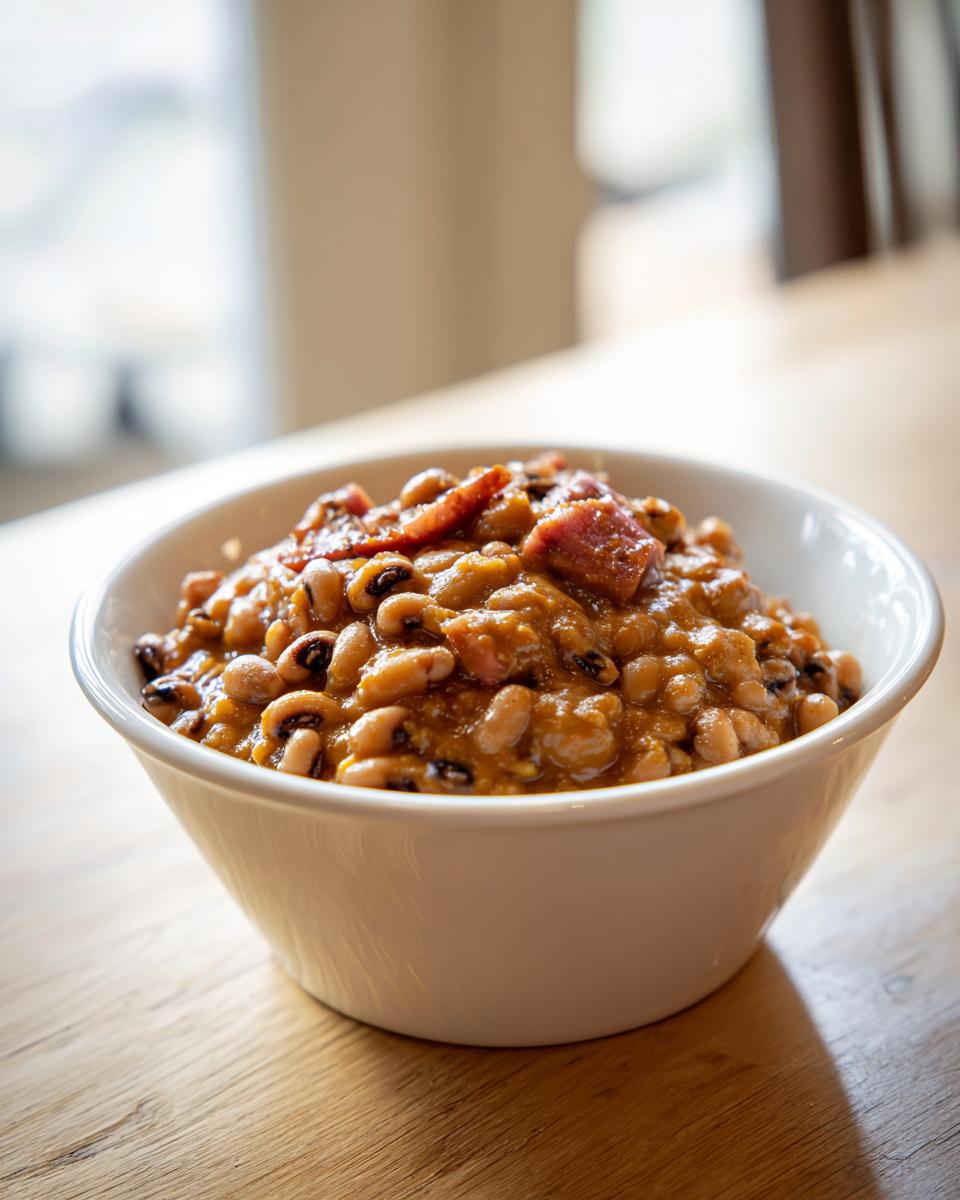
That long simmer time isn’t just about cooking the peas; it’s about magic happening in the pot. The natural starches release slowly into the broth, which thickens everything up beautifully. That’s where that signature creamy texture comes from, not added flour or cornstrarch! Pair these with some homemade cornbread—you absolutely have to try my easy cornbread recipe—and you have a meal that feeds the soul.
If you’re looking for a similar soul-satisfying experience from other cooks, look at what they are doing over at Spoon Recipes with their traditional flavors; it’s really inspiring!
Gathering Ingredients for Flavor Packed Black Eyed Peas
Before we even think about turning on the stove, we need the right building blocks. Getting your mise en place ready is key to making these **Flavor Packed Black Eyed Peas** go smoothly. Remember, we are aiming for deep, rich Southern flavor, and that means we can’t skimp on quality here. The actual list is pretty simple, which is why this dish works so well for busy kitchens!
The star, of course, is always the dried beans. Don’t grab the canned stuff for this recipe; we need the texture that only the dried ones give us when they break down just right.
Essential Components for Smoky Black Eyed Peas
- One whole pound of dried black eyed peas—and promise me you’ll give them a quick rinse and pick out any tiny stones or broken bits first!
- Six cups of liquid. I use low-sodium chicken broth usually, but water works if your ham hock is really big and salty.
- The flavor backbone: one big smoked ham hock. If you’re feeling less traditional, four thick slices of bacon, chopped up, gives you a similar smoky punch.
- One medium yellow onion, chopped nicely so it melts into the pot later.
- Just two cloves of garlic, minced fine. We want flavor, not onion or garlic overload!
- Seasonings need to be handled with taste in mind: about a teaspoon of salt to start, half a teaspoon of black pepper, and just a tiny bit of cayenne pepper if you like a little background heat.
- One bay leaf—don’t forget that for that earthy depth!
- One tablespoon of apple cider vinegar, which is our secret sharpener at the very end.
How to Cook Black Eyed Peas: Mastering the Stovetop Simmer
Alright, let’s get these peas cooking! Since we are going for that deep, soulful flavor, we are going the stovetop route first. This isn’t microwave cooking, my friends; this is about building layers. First things first, get those rinsed peas, your broth or water, and that big, beautiful smoked ham hock into a big Dutch oven. We are bringing this whole show up to a rolling boil, and then, as soon as it hits that boil, you drop the heat right down. Cover it up—but not completely—and let it simmer gently for a whole hour. This starts softening those dried beans up nicely.
This simmering time is the perfect window for us to get our aromatics ready. Don’t rush this scent part; it’s what makes them so wonderful!
Building the Base Flavor with Aromatics
While those peas are softening up, grab a separate little skillet. We are going to sauté that chopped onion in a bit of oil over medium heat, just until it starts to turn translucent and smell sweet—usually about five minutes. Toss in your minced garlic right at the end, just for a minute until you can really smell it. Oops, don’t let it burn or it turns bitter! We don’t actually cook the onions *in* the bean pot yet. By sautéing them first, we are taking the harshness off the onion and giving those key ingredients a head start on flavor release. Then, you stir that beautiful, softened onion and garlic mix right into the pot of peas. Don’t forget to stir in your salt, pepper, cayenne (if you want that little kick), and that essential bay leaf. Let it all simmer together, partially covered, for another solid 45 minutes to an hour.
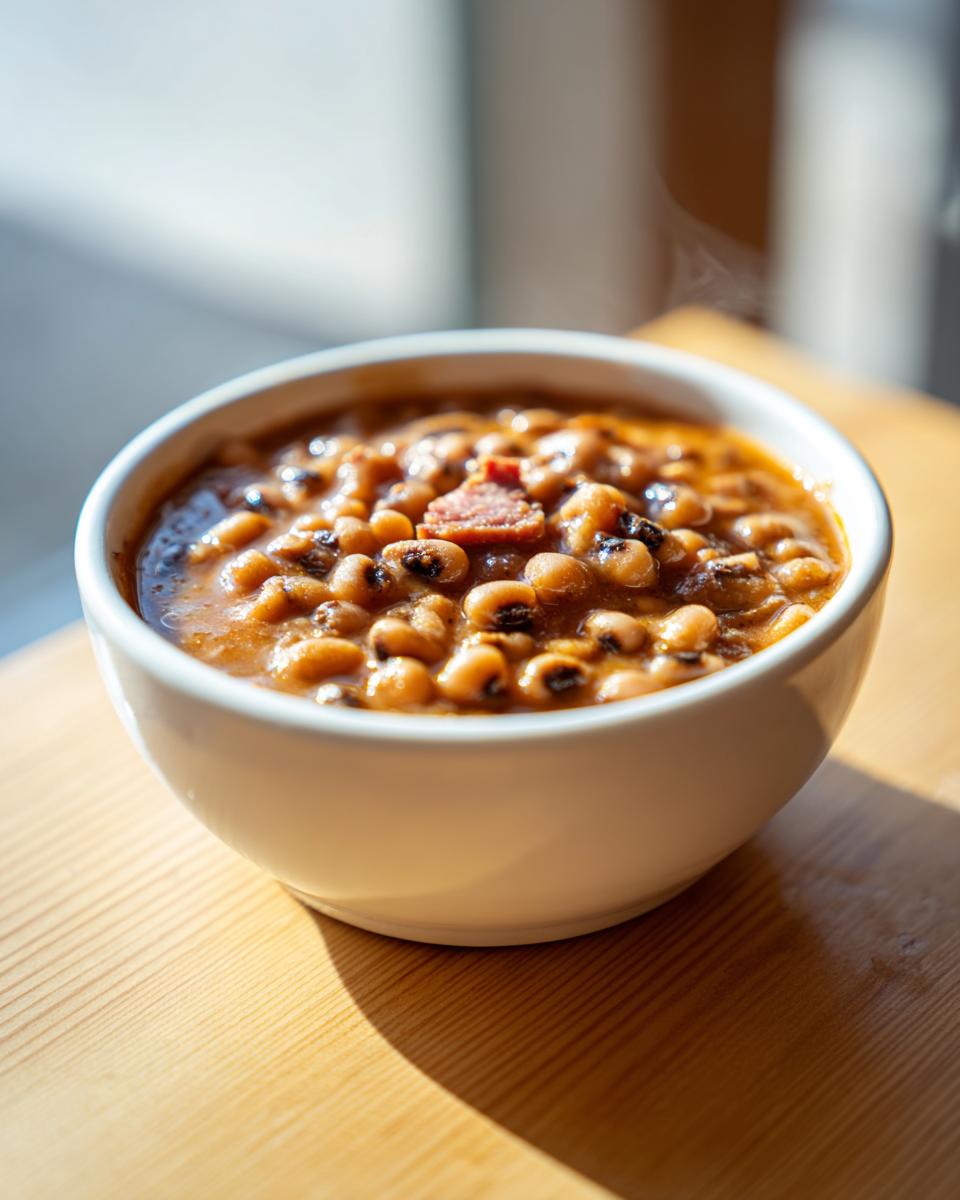
Achieving Creamy Black Eyed Peas Texture
This second phase is where the **Creamy Black Eyed Peas** happen! You need to stir pretty frequently here, maybe every 10 minutes or so. That stirring stops the starchy bottom from scorching, and that slow reduction of liquid is what thickens your broth into that lush, creamy sauce we love. Taste test after about 45 minutes—you want them totally tender and maybe just starting to break apart a little bit. Once they are done, turn off the heat! Carefully retrieve that smoky ham hock and the bay leaf—toss the bay leaf, for sure. You can shred any of that delicious meat off the bone and stir it right back in for extra flavor. A swirl of apple cider vinegar right before serving brightens it all up, just like you’d find in the best recipes, like this one by The Cookie Rookie!
If you’re looking for something similar to cook alongside this, my recipe for easy Jiffy Corn Casserole is the perfect starchy side!
Time-Saving Methods for Instant Pot Black Eyed Peas
I know, I know, sometimes you just can’t wait two hours for a pot of beans to simmer, no matter *how* good they are going to taste. That’s when we pull out the big guns: the Instant Pot! This is my go-to when I suddenly remember I need a **Quick Black Eyed Peas Dinner** but I haven’t planned ahead.
It’s super straightforward because you dump everything in at once. Seriously, just combine your rinsed peas, the broth, the ham hock, the chopped onion, garlic, the salt, pepper, cayenne (if you’re using it), and that bay leaf right into your inner pot. You’re aiming for High Pressure cooking for about 25 minutes. Don’t just vent it right away either! You need a 15-minute Natural Pressure Release—that’s key for the texture!
After that, you can quick release the rest. Once you pull the ham hock out and stir in that little bit of vinegar, you are done! It’s so fast, and honestly, the results are amazing for such a short cook time. If you love using timers, you might also enjoy my guide on crockpot French onion soup, which uses similar low-and-slow principles but adapted for the slow cooker.
For more tips on getting that perfect texture in a pressure cooker, check out the great advice on the Palace Recipes guide for Instant Pot Black Eyed Peas!
Variations: Vegetarian Black Eyed Peas and Hoppin John Recipe
Now, I love my ham hock, but I totally understand that sometimes you need something different. This recipe is super flexible, which is why it stays in heavy rotation in my kitchen! If you’re looking to make **Black Eyed Peas Vegetarian**, which is a big request around here, you can absolutely do it without losing that smoky depth.
To make them vegan, skip the pork entirely and use vegetable broth as your cooking liquid. Instead of relying on meat for that savory note, add about a teaspoon of smoked paprika along with your other seasonings. Seriously, smoked paprika works wonders! If you want it even deeper, a tiny drizzle—maybe half a teaspoon—of liquid smoke goes a long way in replicating that hickory bite. This makes for fantastic **Black Eyed Peas Vegetarian** dish everyone can enjoy.
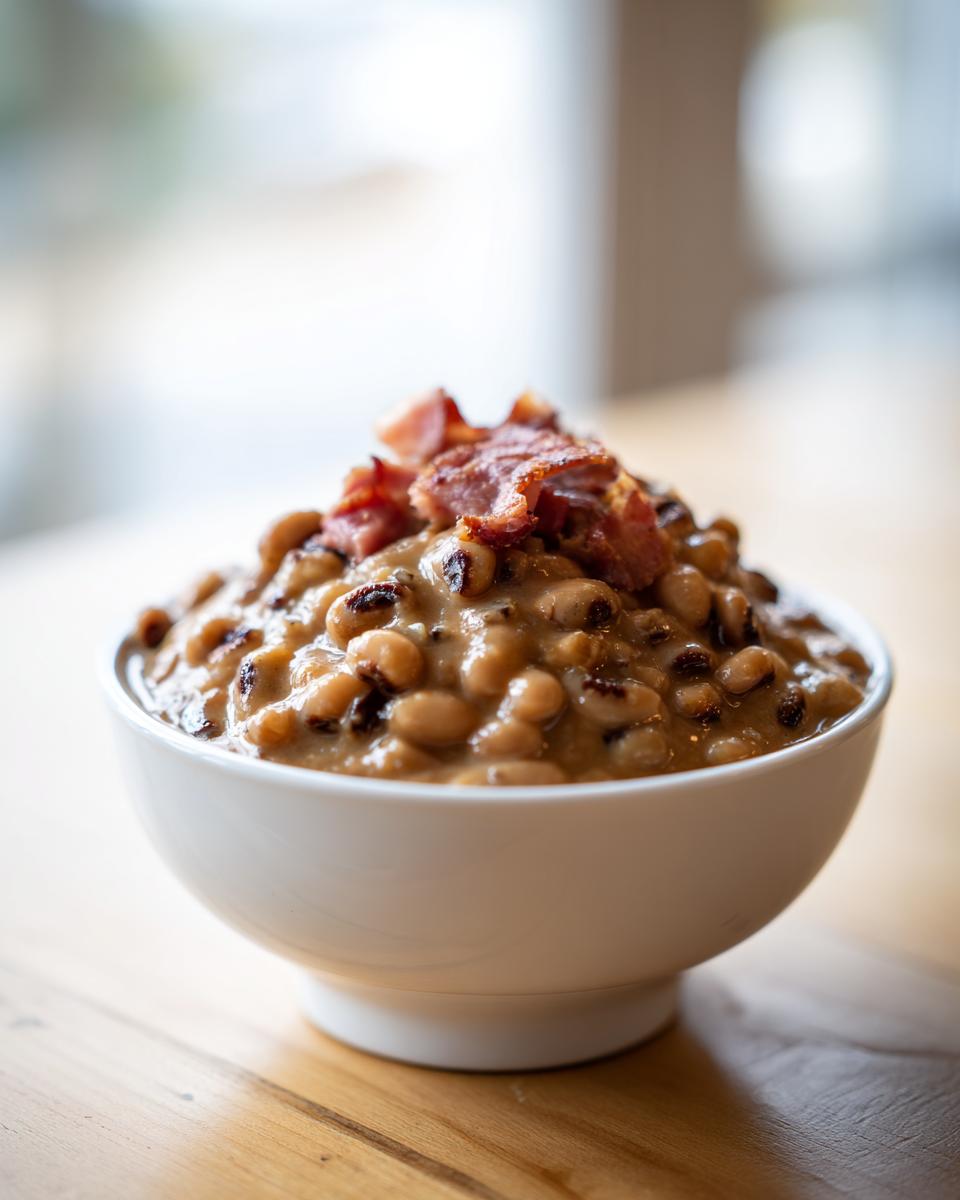
And let’s talk luck! If you’re making these for the New Year, you’re basically making a form of **Hoppin John Recipe**. Traditionally, Hoppin John is served over rice to represent coins and prosperity for the coming year. I always make sure to save some pot liquor to mix right into the rice.
If you’re into plant-based comfort, make sure you check out my one-pot vegan lentil curry recipe—it’s another great plant-forward choice. For more on adapting Southern recipes for veggie options, I really like the deep dive they do over at Sana’s Recipes on their vegetarian approach.
Tips for Perfect Southern Black Eyed Peas Recipe Success
Making these beans is an experience, and honestly, sticking to a few core personal rules really separates a good batch from a legendary one. I’ve learned these lessons through trial and error over the years, so take these tips to heart before you start your next batch of **Southern Black Eyed Peas Recipe**!
First, let’s talk dried versus canned. Seriously, skip the canned ones for this specific recipe. Canned beans are already cooked, and they just turn mushy when you try to simmer them for an hour to get that ham hock flavor in. We need those lovely dried peas to break down slowly and release their starches to give us that incredible texture you’re looking for.
And please, please, please—pick over your peas! I know it feels like a chore, but every once in a while you find a tiny pebble that got mixed in during the shelling process. You don’t want your teeth hitting something hard when you’re enjoying that rich, smoky flavor. Just spread them out on a white plate and quickly scan through them before rinsing. Better safe than sorry, right?
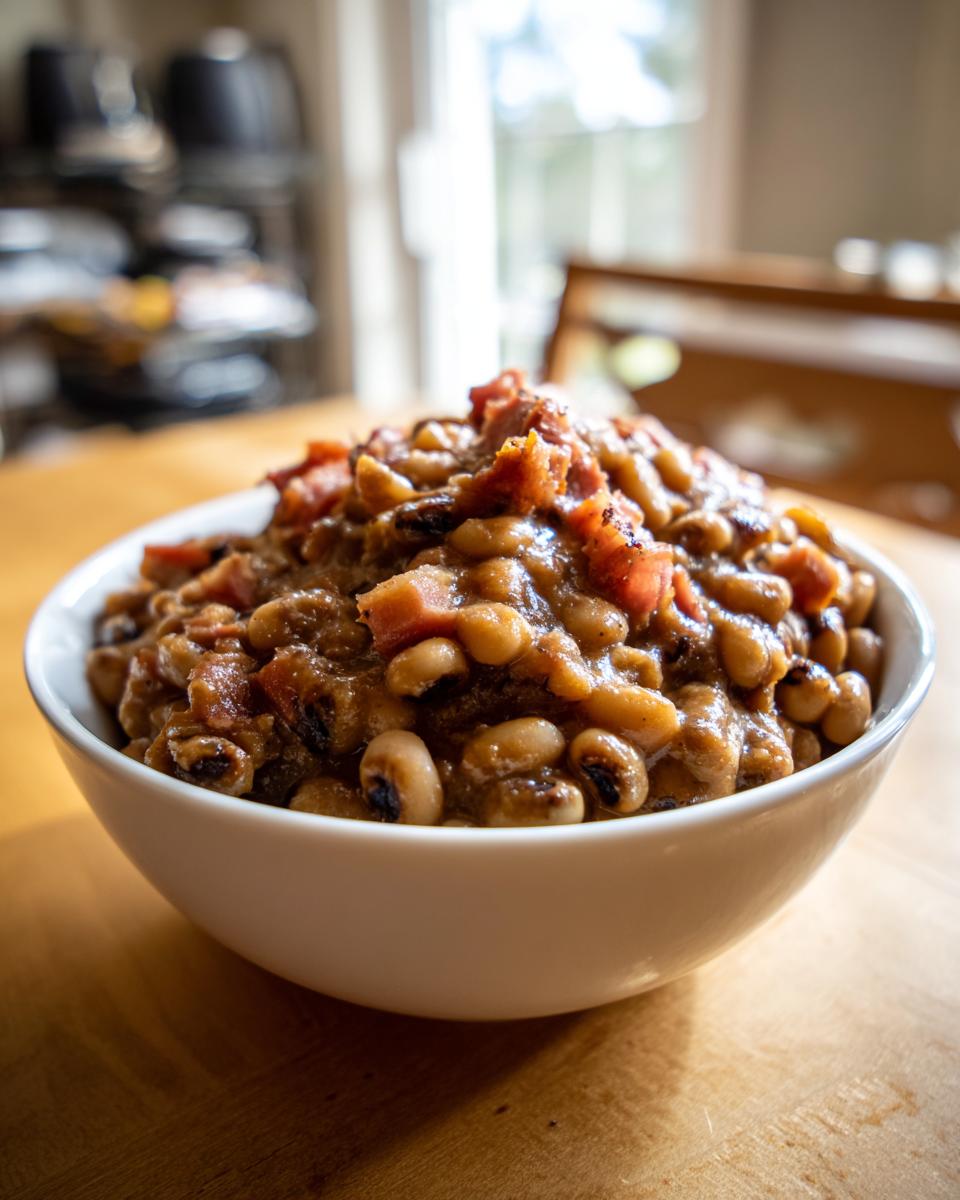
Finally, that vinegar at the end? That’s our non-negotiable secret. Acid goes in *after* the beans are completely tender. If you add vinegar or anything acidic near the beginning, it locks up the outside of the pea, and they stay hard as rocks no matter how long you cook them! A tablespoon of apple cider vinegar right at the end cuts through all that richness from the ham bone and brightens up the whole dish. It wakes up the flavor profile instantly. You can see how the folks at Soulfully Made always finish theirs with a punch of acidity, too!
Serving Suggestions for Black Eyed Peas with Ham Bone
You’ve cooked these beauties low and slow, and now the payoff! That smoky flavor from the **Black Eyed Peas with Ham Bone** is just begging for the right partner on your plate. The absolute number one way I serve these, especially for New Year’s tradition, is spooned generously over a bed of fluffy white rice. It soaks up all that wonderful, flavorful pot liquor.
But we can’t stop there, can we? These peas are meant to be paired with something green, which brings in that classic Soul Food grouping. I always have a big pot of collard greens simmering nearby, or you could serve them alongside a slice of my famous easy cornbread recipe for dipping. It’s simple, it’s traditional, and honestly, it’s the best way to enjoy this flavor.
Storage and Reheating Hearty Bean Recipes
The best part about making a big pot of **Hearty Bean Recipes** like this is having leftovers! I find these taste even better the next day, once all those smoky flavors have really settled in. You can keep these delicious **Southern Black Eyed Peas Recipe** leftovers in an airtight container in the fridge for up to four days. That’s a great window for lunches!
When you reheat them, especially if they thicken up a lot overnight, you must add back a splash of liquid. I just use water or a tiny bit of broth. Warm them slowly on the stovetop over medium-low heat, stirring often. Don’t blast them with high heat, or you’ll end up scrambling the creamy texture. Keep adding liquid until they return to that perfect, slightly loose consistency we aimed for!
Frequently Asked Questions About Black Eyed Peas
Do I need to soak black eyed peas before cooking?
That’s a great question! For this specific recipe using dried black eyed peas, soaking isn’t technically required, especially since we are simmering them for a long time with that meaty ham hock. However, soaking them overnight (or even doing a quick boil-and-rest soak) will cut down your stovetop simmer time by a good 30 minutes! If you’re in a huge rush, you can skip the soak, but know it will just take longer to get that perfect tender texture.
What is the tradition behind eating black eyed peas on New Year’s?
Oh, I love talking about this! Eating **New Years Black Eyed Peas** is one of the best American food traditions. The belief, rooted in our Southern history, is that eating them on New Year’s Day brings prosperity and luck for the entire year ahead. The peas symbolize coins, so the more you eat, the luckier you’re supposed to be. It’s a delicious way to ring in the new year, and why you’ll always see these served alongside greens (representing paper money) in a classic **Soul Food Black Eyed Peas** meal!
Can I use canned black eyed peas instead of dried?
You certainly can, especially if you are trying to pull together an **Easy Black Eyed Peas Side Dish** on a random weeknight! But you must change the cooking instructions completely. If you use canned beans, you skip the entire first step of boiling them for an hour with the ham hock. Just drain and rinse those canned peas, and add them in with the sautéed onions and garlic during the second simmer phase. They only need about 15 to 20 minutes to heat through and absorb that smoky flavor. Honestly, they won’t get quite as creamy, but it’s perfect in a pinch! If you ever want to look into our general cooking philosophy, you can always peek at our About Page for more background!
Estimated Nutritional Data for Black Eyed Peas
Now, for all you data hounds out there—I know some of you like to see the breakdown! Remember, since this method relies on a big smoky ham hock, these numbers are estimates, and they change depending on how much meat you shred back into the pot. This is just a general idea based on the recipe as written, so take it with a grain of salt!
- Serving Size: 1 cup
- Calories: 280
- Fat: 5g
- Carbohydrates: 45g
- Protein: 15g
- Fiber: 12g
Because we are using dried **Black Eyed Peas**, look at that fiber content! It’s fantastic for keeping you full and happy. If you skip the ham hock completely for a vegetarian meal, these totals will shift a bit, of course. But overall, this is a powerhouse **Side Dish**!
Share Your Experience with These Black Eyed Peas
Phew! We did it! We took simple dried peas and turned them into rich, smoky, spoon-licking Southern magic. If you followed along and made these **Creamy Black Eyed Peas**, I truly hope your kitchen smells as cozy and comforting as mine does right now. This recipe is a piece of my heritage, and seeing you all make it just warms my heart.
Now, I really want to know how it turned out for you! Did you stick with the smoked ham hock, or did you decide to use bacon this time around? Let me know in the comments below! Did you serve them over rice, or maybe go for cornbread?
Don’t be shy—leave a rating so other cooks know just how fantastic this **Flavor Packed Black Eyed Peas** dish is. Snap a photo and tag us so we can celebrate your success! Happy cooking, and may your year be full of prosperity (and more delicious **Southern Black Eyed Peas Recipe**)!
PrintCreamy Southern Black Eyed Peas with Ham Hock
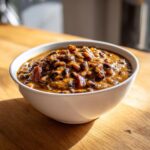
Make rich, smoky, and creamy Southern Black Eyed Peas. This recipe uses a ham hock for deep flavor, resulting in a comforting side dish perfect for family dinners or New Year’s tradition.
- Prep Time: 15 min
- Cook Time: 1 hour 45 min
- Total Time: 2 hours 0 min
- Yield: 6 servings 1x
- Category: Side Dish
- Method: Stovetop Simmering
- Cuisine: Southern American
- Diet: Low Fat
Ingredients
- 1 pound dried black eyed peas, rinsed and picked over
- 6 cups water or low-sodium chicken broth
- 1 smoked ham hock (or 4 slices bacon, chopped)
- 1 medium yellow onion, chopped
- 2 cloves garlic, minced
- 1 teaspoon salt (adjust to taste)
- 1/2 teaspoon black pepper
- 1/4 teaspoon cayenne pepper (optional)
- 1 bay leaf
- 1 tablespoon apple cider vinegar
Instructions
- Place the rinsed black eyed peas and water or broth in a large pot or Dutch oven. Add the ham hock. Bring the mixture to a boil, then reduce heat, cover, and simmer for 1 hour.
- While the peas simmer, sauté the onion in a separate skillet over medium heat until soft, about 5 minutes. Add the minced garlic and cook for 1 minute more until fragrant.
- Add the cooked onion and garlic mixture to the pot with the peas. Stir in the salt, pepper, cayenne pepper (if using), and bay leaf.
- Continue to simmer, partially covered, for another 45 minutes to 1 hour, or until the peas are tender and the liquid has thickened to a creamy consistency. Stir occasionally to prevent sticking.
- Remove and discard the ham hock and bay leaf. Shred any usable meat from the ham hock and return it to the pot.
- Stir in the apple cider vinegar just before serving. Taste and adjust salt if needed. Serve hot, often over rice.
Notes
- For a quicker method, cook these in an Instant Pot: Combine peas, broth, ham hock, onion, garlic, salt, pepper, cayenne, and bay leaf. Cook on High Pressure for 25 minutes, then allow a Natural Pressure Release for 15 minutes before quick releasing the rest. Stir in vinegar after removing the ham hock.
- If you skip the ham hock, add 1/2 cup chopped smoked turkey or 2 tablespoons of liquid smoke for a smoky flavor.
- For a vegetarian version, omit the ham hock and use vegetable broth. Add 1 teaspoon smoked paprika for depth.
Nutrition
- Serving Size: 1 cup
- Calories: 280
- Sugar: 2
- Sodium: 450
- Fat: 5
- Saturated Fat: 1.5
- Unsaturated Fat: 3.5
- Trans Fat: 0
- Carbohydrates: 45
- Fiber: 12
- Protein: 15
- Cholesterol: 15